Lung Cancer Self-Care
After a lung cancer diagnosis, it may be helpful to explore self-care in addition to getting treatments. Self-care options like adjusting your diet, quitting smoking, and exercising could all improve your well-being and allow you to recover more easily from lung cancer treatments. Explore lung cancer self-care options below.
What Is Self-Care for Lung Cancer Patients?
Self-care includes any options that lung cancer patients can use to support themselves, ease worries, and feel better while going through treatments and adjusting to life following a diagnosis.
If you have lung cancer, you’re likely facing different physical symptoms and emotional concerns about the future. While working with a team of lung cancer specialists is crucial to managing your overall health, there are also ways you can support yourself.
Lung cancer self-care options include:
- Adjusting your diet as needed
- Asking for help when feeling overwhelmed
- Getting rest and supporting your immune system
- Joining support groups
- Regularly exercising if possible
- Seeking counseling for mental health concerns
- Quitting smoking
There is no perfect or right way to practice self-care. The goal is to support your well-being in ways that feel manageable and meaningful to you.
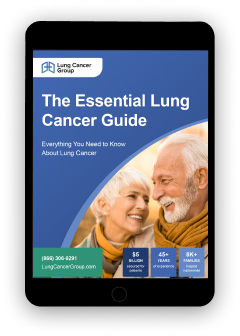
Get our Free Lung Cancer Guide for more practical tips on caring for yourself and accessing the treatments you deserve following a diagnosis.

- Understand risk factors
- Find top treatments
- Pursue compensation
Physical Lung Cancer Self-Care
Facing lung cancer can be physically demanding. You may have to deal with symptoms like difficulty breathing and pain, as well as side effects from lung cancer treatments.
Physical self-care for lung cancer patients focuses on reducing discomfort and preserving strength. By listening to your body’s needs and taking simple steps, it may be possible to feel better and recover in less time.
Get Enough Rest
Following a consistent sleep schedule is crucial to help fight fatigue, anxiety, and brain fog, all of which are common among lung cancer patients.
Tips to get enough sleep while facing lung cancer include:
- Adjust your position to support your breathing
- Avoid sugary or spicy food close to bedtime
- Don’t eat large meals before bed
- Give up screens shortly before bedtime
- Stick to a consistent sleep schedule
- Take short naps if needed during the day
Lung cancer patients often experience respiratory symptoms like trouble breathing, which can impact their sleep. If you’re experiencing this problem, working with a lung cancer doctor could help you find a solution.
“Sleep quality and lung cancer symptoms were found to be statistically significant predictors of quality of life.”
– Journal of the American Association of Nurse Practitioners
Maintain Good Nutrition & Hydration
Common lung cancer symptoms and treatment side effects, including loss of appetite, changes in taste, nausea, and difficulty swallowing, can make eating and drinking difficult.
However, it’s crucial to make sure that you’re getting enough nutrients and staying hydrated while fighting lung cancer in order to best support your body throughout recovery.
Self-care lung cancer nutrition tips include:
- Choose high-protein foods to support muscle strength
- Drink smoothies or high-calorie beverages if solid food feels difficult
- Eat small, frequent meals
- Speak with a registered dietitian who specializes in oncology
- Stay hydrated throughout the day
If you’re struggling with issues like appetite or weight loss, your oncologist may refer you to a dietitian. Dietitians can recommend the best lung cancer nutrition plan for your situation.
Stay Active & Exercise
Exercise is crucial for building muscle, supporting lung strength and capacity, and regulating sleep and mood. According to Johns Hopkins Medicine, even mild or gentle exercise plans can go a long way to helping you feel better while facing lung cancer.
Exercises for lung cancer include:
- Chair yoga
- Guided breathing exercises
- Light stretching
- Pulmonary rehabilitation programs
- Short daily walks
“Try to do some form of activity every day. Going on walks is a great way to clear your mind and lower your stress level.”
– American Lung Association
Before starting any new routine, check with your health care team to make sure it aligns with your lung cancer treatment plan.
Quit Smoking
Smoking is the most common cause of lung cancer, and many patients are still actively smoking at the time of a diagnosis. Quitting smoking can significantly help your overall well-being while undergoing cancer treatment and beyond.
Stopping smoking can:
- Improve breathing and lung function
- Make treatment more effective
- Reduce the risk of complications
- Regulate blood pressure
Quitting smoking can also significantly increase your lung cancer life expectancy. According to data from the International Agency for Research on Cancer (IARC), lung cancer patients who quit smoking lived for a median of 22 months, or nearly 2 years, longer than those who didn’t.
“Our research clearly shows that quitting smoking is very beneficial at any time and that it is never too late to stop smoking, even after a diagnosis of cancer.”
– Dr. Mahdi Sheikh, IARC researcher
Support Your Immune System
Your immune system may be weakened during lung cancer treatment, which can put you at risk of more aggressive cases of respiratory illnesses like pneumonia, the flu, or COVID-19.
Even if you end up surviving lung cancer, you have a greater chance of passing away from respiratory diseases such as these due to weakened lung capacity.
Ways to support your immune system and lung function include:
- Avoid secondhand smoke
- Eat balanced meals
- Get adequate sleep
- Practice good hand hygiene
- Stay current on recommended vaccinations
Your health care team can advise you on which vaccines, antibiotics and medications are recommended before, during, and after lung cancer treatments.
Call (877) 446-5767 now for help exploring lung cancer self-care options, key treatments, and support resources following a diagnosis.
Emotional & Mental Health Lung Cancer Self-Care
Lung cancer doesn’t just cause physical symptoms, but it also brings a lot of emotions. Patients often report stress, anxiety, depression, and even post-traumatic stress disorder (PTSD).
If you’re struggling with your mental health while facing lung cancer, you are not alone and there are steps you can take right now to start feeling better.
Emotional lung cancer self-care may include:
- Do activities you enjoy: Making time for your hobbies can help take your mind off day-to-day concerns.
- Get support from loved ones: You don’t have to face lung cancer by yourself. Leaning on friends and family allows you to feel less anxious and alone.
- Manage stress: Journaling, using guided meditation programs or apps, getting enough exercise, and seeking counseling are just a few of many ways to reduce stress while dealing with lung cancer.
- Set aside time for worries: This mental health practice can make it easier for you to cope with fears related to lung cancer recurrence, a poor prognosis, and more.
While self-care can make you feel better, it may not be enough considering how overwhelming lung cancer can be. Seeking help from mental health counselors, social workers, or lung cancer support groups are all great options to manage your feelings.
Experienced lung cancer centers often have therapists on staff or run oncology support groups, allowing you to get not only treatments but emotional assistance, too.
Learning About Lung Cancer Treatment As Self-Care
Understanding your lung cancer treatment options can also be a form of self-care. Being informed can lessen your anxiety and help you feel more empowered in your cancer care decisions.
There are many different potential treatments that may be used, with therapies varying depending on the type of lung cancer, its stage, your general health, and more.
Types of lung cancer treatment may include:
- Chemotherapy
- Immunotherapy
- Radiation therapy
- Surgery
- Targeted therapy
Some patients also explore clinical trials, which may provide access to new therapies while contributing to cancer research. To learn more about standard treatments as well as trials that you may be eligible for, it’s always okay to ask your lung cancer specialist.
If you feel unsure about your treatment direction, you may consider seeking a lung cancer second opinion. Your lung cancer doctor won’t be offended and should actually encourage this.
Get our Free Lung Cancer Guide for all you need to know about getting treatments, requesting second opinions, and navigating key conversations with doctors.
- Understand risk factors
- Find top treatments
- Pursue compensation
Addressing Lung Cancer Treatment Side Effects & Symptoms
You may experience significant lung cancer symptoms or treatment side effects, including appetite loss, mouth sores, diarrhea, and nausea or vomiting. If you’re not feeling well, you don’t have to suffer in silence. Advocate for your health.
Here are ways you can manage lung cancer treatment side effects or symptoms:
- Adjust meals so they’re more appealing or easier to eat
- Take over-the-counter painkillers like ibuprofen
- Try deep breathing exercises
Also, do not hesitate to report symptoms or side effects to your oncology team. Many symptoms can be reduced with palliative lung cancer treatments, including medications, oxygen therapy, minor surgeries, and more.
Palliative care is not only for end-of-life care. It focuses on symptom management and improving quality of life for patients at any point in their fight with lung cancer.
Daily Routines As Lung Cancer Self-Care
When so much feels out of control after a lung cancer diagnosis, small routines can provide stability, improve mood, and help you stay on top of nutrition and exercise regimens.
Daily lung cancer self-care strategies you might consider include:
- Create a calming bedtime routine
- Keep a symptom journal
- Limit exposure to overwhelming news or stressors
- Listen to music or audiobooks
- Schedule meals and times to exercise
- Spend time outdoors when possible
These basic steps can help you get back a sense of normalcy and stability while getting care for lung cancer, recovering at home, or adjusting to life following treatment.
Self-Care for Lung Cancer Caregivers
If you are a caregiver supporting a loved one with lung cancer, self-care is equally important for you. While caring for a lung cancer patient is incredibly rewarding, it can also lead to burnout, anxiety, and exhaustion.
It’s important to understand that you can’t fully help someone with lung cancer without looking out for your needs, too. As a result, self-care is essential to being the best lung cancer caregiver you can possibly be.
Lung cancer self-care tips for caregivers include:
- Ask for help from other family members
- Learn as much as you can about lung cancer
- Schedule regular breaks
- Join caregiver support groups
- Speak with a social worker
- Protect your own sleep and nutrition
“It is easy to get absorbed into your caregiver role and let your needs go unaddressed. Taking care of yourself may seem simple, but when most of your energy is focused on someone else, it is easy to forget simple ways to stay healthy.”
– American Lung Association
Contact us now for additional support if you or a loved one is facing lung cancer.
Get Access to Lung Cancer Resources & Support
When used as part of a broader treatment plan, self-care for lung cancer can be very helpful in relieving stress, symptoms, and side effects. Many different resources and techniques are able to give you more control of your mood and physical well-being.
At Lung Cancer Group, we’re here to offer more ways to support you as you and your care team manage a lung cancer diagnosis.
We can assist with:
- Exploring lung cancer treatments
- Reviewing compensation options to cover costs
- Understanding additional support options
Call (877) 446-5767 or get a Free Lung Cancer Guide now to find out more about how we can assist you and your family.
Self-Care for Lung Cancer Patients FAQs
How can you self help with lung cancer?
Many self-care strategies can help make lung cancer more manageable. When used in tandem with essential lung cancer treatments, self-care can greatly boost your quality of life.
Here are lung cancer self-care tips:
- Adjust your diet to get proper nutrients
- Get enough sleep
- Quit smoking
- Try regular, light exercises like walking
Ideally, work with your lung cancer doctors to get a better idea of self-care techniques that could supplement your treatment plan.
How to sleep with lung cancer?
Lung cancer can cause sleep disturbances due to symptoms like pain and difficulty breathing.
To sleep better with lung cancer, you can:
- Avoid large meals closer to bedtime
- Avoid spicy or sugary foods
- Log off from screens earlier
- Make sure your head and lungs are supported
These steps can go a long way to helping you get the rest needed so your body can recharge, more effectively fight cancer, and recover from treatments.
Should I join a lung cancer support group?
Many lung cancer patients benefit from support groups because they help them feel less lonely and provide emotional support from people with shared experiences.
Lung cancer support groups are available in person or online for patients, caregivers, and family members. Ask your health care team or explore the internet for available support groups.
Are there any home remedies for lung cancer?
At-home remedies should not be substituted for lung cancer treatment administered by specialists. With that said, natural lung cancer treatments may help relieve some physical symptoms and boost your mood.
Notable natural lung cancer treatments include:
- Dietary changes
- Tai chi
- Yoga
- Vitamins and supplements
Always consult with your health care team before starting any natural lung cancer self-care options, most notably supplements, as some could interfere with mainstream treatments like chemotherapy.
Call (877) 446-5767 now for help exploring treatments and self-care options that could work for you after a lung cancer diagnosis.
What not to do when you have lung cancer?
It’s critical not to smoke if you or a loved one is facing lung cancer. Quitting smoking is essential to living longer and allowing your body to more easily fight cancer.
International Agency for Research on Cancer researchers found that lung cancer patients who stopped smoking after a diagnosis lived for nearly two years longer than those who continued to smoke.
What to drink with lung cancer?
Lung cancer specialists often recommend water, tea, and other fluids to help you stay hydrated while facing lung cancer. Additionally, they may recommend avoiding alcohol and processed drinks like sodas.
For more nutrition, treatment, and lung cancer self-care tips, request our Free Lung Cancer Guide.