Why the Pope’s Lung Cancer Diagnosis Reveals a Screening Blind Spot
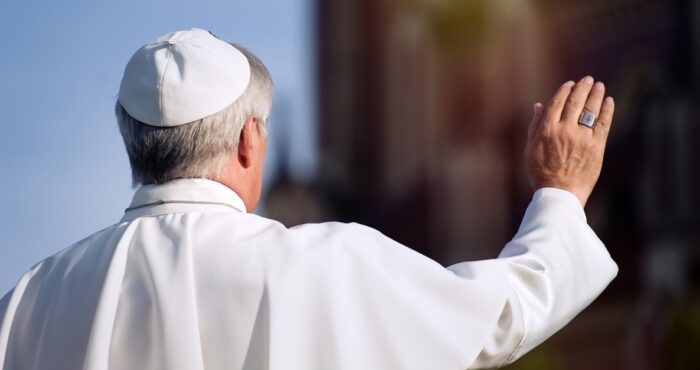
Pope Leo XIV recently underwent surgery for lung cancer after doctors spotted a nodule on his right lung. Crucially, the Pope was not diagnosed through a screening program — which can potentially diagnose lung cancer before it causes symptoms.
That matters because the rules for who gets a lung cancer screening are stricter than most people realize. Eligibility for lung cancer screening is built around smoking history and age. If you don’t fit that profile, the default is no scan, and a nodule could go unnoticed until symptoms appear.
However, there are still steps you can take if you or a loved one could be at risk of lung cancer, even if there are no symptoms yet.
Get a Free Lung Cancer Guide now to learn more about the benefits of lung cancer screenings and how to find support.

- Understand risk factors
- Find top treatments
- Pursue compensation
Would the Pope Have Qualified for Lung Cancer Screening?
Current recommendations advise low-dose CT screenings for lung cancer for people 50 or older who currently smoke or have smoked heavily in the past.
The guidance is narrow by design, targeting the group statistically most likely to develop lung cancer, since smoking is the main cause.
However, it excludes people with other lung cancer risk factors like:
- Asbestos exposure
- Family history
- Radon exposure
Those who are not considered high risk are often diagnosed incidentally through scans for other conditions, which is exactly what happened in the Pope’s case.
“The discovery of the Pope’s malignant lung tumor was entirely accidental, as unfortunately often happens,” said Professor Stefano Margaritora, who performed lung surgery on the Pope, in an interview with Vatican News. “During routine abdominal examinations, this small spot was found in the chest, at the base of the lung.”
The professor went on to say that if the lung tumor had been even a little further up, it wouldn’t have been caught.
Why Lung Adenocarcinoma Slips Through Screening Gaps
The Vatican announced that Pope Leo XIV has lung adenocarcinoma, which accounts for 40% to 45% of lung cancer cases worldwide. Notably, adenocarcinoma is the most common type in non-smokers, who are not likely to be eligible for screening.
Symptoms of lung cancer don’t usually appear until the cancer is advanced. Because of this, lung adenocarcinoma poses a unique threat to those who may not believe they’re eligible for screenings.
In the Pope’s case, for example, his cancer was growing undetected despite weekly physical activities like tennis and swimming. That shows how a nodule can develop quietly in someone who looks and feels healthy, and how often early detection comes down to chance.
If you’re concerned about your lung cancer risk, request our Free Lung Cancer Guide now to learn more about steps you can take, including working with doctors, getting screenings, and more.
What Happens Next After the Pope’s Lung Cancer Surgery?
The Pope underwent a lung cancer surgery called a lobectomy, removing part of his right lung along with all visible cancer tumors. Professor Stefano noted that there were no surgical complications.
The Pope is expected to make a full recovery and resume papal duties over time, with a planned trip to Latin America in mid-November moving forward on schedule.
Professor Stefano also took time to share thoughts about ways everyday people can stay on top of their health if they’re concerned about lung cancer.
“It would therefore be important for people, especially those at risk, to undergo regular preventive checkups – not only for other cancers for which widespread screening exists, such as breast or colon cancer, but also for lung cancer.”
– Professor Stefano Margaritora, the Pope’s lung cancer surgeon
Take Action on Your Lung Health Today
Pope Leo XIV’s surgery shows how quickly a lung nodule can change a life, and how much depends on whether it is found early. His nodule was caught by chance, and many people may not think to pursue tests if they aren’t eligible for screening.
Lung Cancer Group believes everyone deserves access to early detection and the best possible care, regardless of their smoking history, age, or background. Speaking up about your risk now could make a difference later.
We may be able to help you:
- Connect with top lung cancer doctors near you
- Learn what to ask your doctor about screening eligibility
- Pursue financial compensation if your cancer was caused by asbestos
- See how factors like asbestos exposure could increase your risk
- Find support options for yourself or your family
Call (877) 446-5767 or get our Free Lung Cancer Guide to learn more about screening, other tests, and options that can help you if you’re diagnosed.
 Written by:Lung Cancer Group
Lung Cancer Group was established by a team of caring advocates so those with lung cancer and other asbestos-related diseases can get the help they deserve. Our site provides the most accurate and up-to-date information about lung cancer, its link to asbestos, and financial compensation available to patients. Contact us to learn more and get assistance.