Night Sweats & Lung Cancer: Everything You Need to Know
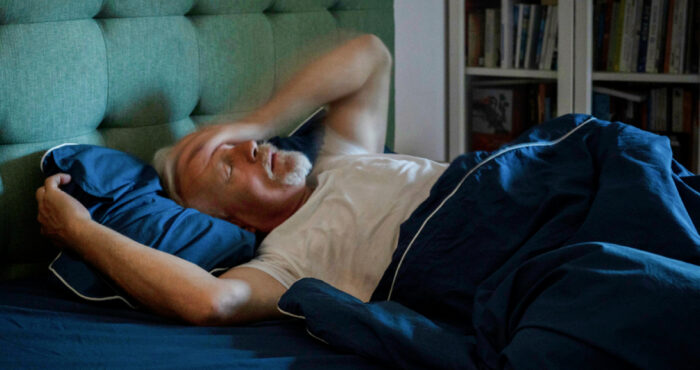
Night sweats can be a symptom of lung cancer, most often when the disease is advanced or has spread. It’s believed that sweating happens as the body responds to cancer and the inflammation or fever that comes with it. See how to get help for excessive sweating and lung cancer below.
Does Lung Cancer Cause Night Sweats?
Yes, lung cancer can potentially cause night sweats. As the body tries to fight lung cancer cells and tumors, it can lead to temperature changes and excessive sweating.
On their own, night sweats have many possible causes, and most of them aren’t cancer. In cases of lung cancer, patients typically report multiple symptoms alongside night sweats, such as a cough or fever.
“There are certain symptoms which we call constitutional symptoms, which include night sweats where they soak their clothes and sheets and have to change them. It’s not just, ‘I’m sweating because it’s hot.’”
– Dr. Rohan Arya, pulmonologist at Lexington Medical Center
Night sweats can also occur in people being treated for lung cancer. A recent study of more than 1,000 patients with advanced lung cancer who were receiving immunotherapy identified night sweats among the more prominent treatment side effects.
At Lung Cancer Group, we help families better understand possible lung cancer symptoms like night sweats, get information on treatments, and learn about compensation options. Request our Free Lung Cancer Guide now to learn more.

- Understand risk factors
- Find top treatments
- Pursue compensation
The Link Between Lung Cancer and Sweating
Sweating by itself is not a typical or specific sign of lung cancer. The type of sweating matters. Lung disease can sometimes be associated with sweating, particularly when it occurs alongside other symptoms.
Learn more about lung cancer and sweating:
- Excessive sweating (hyperhidrosis): This can have many causes and is not considered a specific lung cancer symptom. However, side effects of some lung cancer treatments may cause excessive sweating.
- Night sweats: Drenching night sweats can occur with cancer, although they are not necessarily specific to lung cancer. Seek medical attention, particularly if you have night sweats accompanied by unexplained weight loss, fever, fatigue, or other symptoms.
- Sweating with fever: Sweating that occurs alongside a fever can happen due to infections and other illnesses. Because lung cancer can also increase the risk of respiratory infections, persistent fever and sweating should be evaluated.
- Reduced or absent sweating on one side: Little or no sweating on one side of the face can occur with Horner syndrome, which may be associated with an upper-lung tumor (Pancoast tumor).
There is no pattern of sweating that can diagnose lung cancer. Make sure to see a doctor if you’re concerned about night sweats being a sign of lung cancer.
When Should I Worry About Lung Cancer and Night Sweats?
Night sweats are worth discussing with a specialist when they are new, persistent, or severe, especially if they occur alongside other unexplained symptoms or repeatedly soak your clothes or bedding.
Watch for night sweats accompanied by other lung cancer symptoms, like:
- A persistent or worsening cough
- Chest pain
- Coughing up blood
- Extreme fatigue or weakness
- Fever
- Repeated pneumonia or respiratory infections
- Shortness of breath
- Unexplained weight loss
Anyone experiencing persistent or unexplained sweating, especially alongside these other symptoms and a history of smoking or asbestos exposure, should meet promptly with a health care provider.
Do Night Sweats Mean Lung Cancer Is Spreading?
Night sweats can happen when lung cancer is advanced or spreading, but they are not a definitive sign that the cancer has metastasized (spread).
The only way to know for sure whether your lung cancer has spread is to get imaging tests from a doctor.
Request our Free Lung Cancer Guide now to learn more about possible symptoms, when to see a specialist, and how to get help for any stage of lung cancer.
- Understand risk factors
- Find top treatments
- Pursue compensation
What Can I Do About Lung Cancer Sweating?
Sweating may be related to lung tumors, fever or infection, or lung cancer treatment. Your doctor may be able to adjust your medications or recommend other treatments to control troublesome sweating.
You can also try to:
- Drink plenty of fluids to replace what you lose through sweating
- Keep your bedroom cool and well-ventilated
- Track when sweating occurs and any other symptoms you experience
- Use breathable bedding and change wet clothes or sheets promptly
- Wear loose, lightweight clothing
Also, make sure to ask your doctor before taking medications or supplements to control sweating, as some could interfere with lung cancer treatments.
If sweating is severe, persistent, or accompanied by fever, shaking, or chills, contact your lung cancer care team promptly. These symptoms can sometimes point to an infection or another problem that needs treatment.
Get Free Support for Lung Cancer & Night Sweats
While night sweats are a less common symptom of lung cancer, they shouldn’t be ignored, particularly when you’re experiencing other signs like a cough too.
At Lung Cancer Group, we believe all patients deserve the highest-quality care possible after a diagnosis and throughout treatment.
Our team can help you:
- Better understand lung cancer symptoms like night sweats
- Explore top doctors and treatment options
- Pursue financial compensation for lung cancer costs
- Support your family during your cancer battle
Call (877) 446-5767 or get a Free Lung Cancer Guide now to learn more about possible symptoms and get the resources you need to manage them.