The 25th Anniversary of 9/11 and the Risk of Lung Cancer
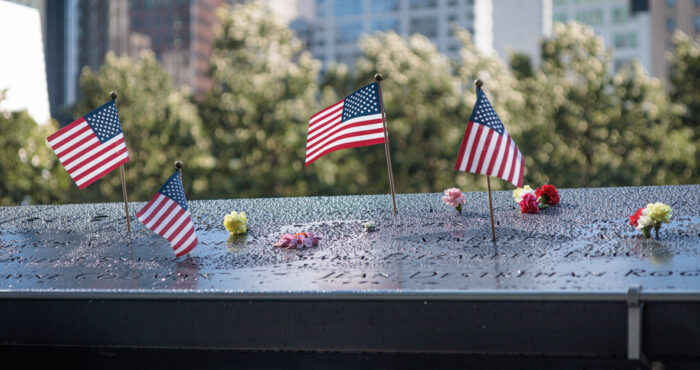
2026 marks the 25th anniversary of the September 11 terrorist attacks that changed America forever. This year, take time to honor those who died or who are now facing illnesses such as lung cancer from toxins released in the destruction. Learn more about how you can get involved below.
What’s the Link Between 9/11 and Lung Cancer?
For many people exposed to toxins during 9/11 and in the cleanup that followed, the health consequences did not end when the dust settled. Some conditions can take years or even decades to develop, meaning the risks associated with those exposures remain relevant 25 years later.
First responders and other volunteers often spent weeks at Ground Zero, working in an environment filled with dust contaminated with toxins like asbestos. In the present, these first responders have a threefold higher risk of lung cancer, according to Stony Brook University.
Over 100 Ground Zero first responders were diagnosed with lung cancer between 2012 and 2023, with more likely to be impacted as time goes on.
For the 25th anniversary of 9/11, take time to honor the memories of those who are no longer with us and find ways to support those facing lung cancer or other diseases as a result of their bravery.
How 9/11 First Responders Were Put at Risk of Lung Cancer
The collapse of the World Trade Center (WTC) released a massive cloud of dust containing harmful substances like asbestos, silica, metals, concrete, and glass. With first responders and recovery teams working around the clock, they faced the risk of chronic exposure.
An estimated 400,000 people were exposed to toxic dust connected to the September 11 attacks and the recovery effort, according to the Centers for Disease Control and Prevention (CDC).
Breathing in or swallowing the dust traps toxins in the lungs or surrounding tissue. This long-term damage can trigger lung cancer or other malignancies 10 to 50 years later.
At Lung Cancer Group, we offer help to anyone impacted by lung cancer, mesothelioma, or other asbestos-related diseases. Get our Free Lung Cancer Guide now to explore treatments, compensation options, and other resources that can help you.

- Understand risk factors
- Find top treatments
- Pursue compensation
9/11 Mesothelioma Risks
Besides lung cancer, mesothelioma (cancer of the linings of organs) is one of the most serious long-term concerns associated with asbestos exposure after 9/11.
The only known cause of mesothelioma is asbestos, so anyone exposed to the dust released following the attack may be at risk of this rare cancer.
9/11 survivors with mesothelioma include:
- A 38-year-old man who was diagnosed in 2017. He lived near the WTC during 9/11 and remembered that dust lingered in his apartment for a month after the attack. He reported no previous asbestos exposure and had never smoked.
- A 52-year-old man who was exposed to asbestos while serving as a first responder during 9/11. He died in 2019 from pleural mesothelioma (cancer of the lung lining).
- An 80-year-old woman who worked as an office cleaner in Lower Manhattan and developed peritoneal mesothelioma (cancer of the abdominal lining) in 2021.
Mesothelioma can take 10 to 50 years to develop following asbestos exposure. As a result, it’s likely that more first responders and civilians will come forward with diagnoses stemming from the contaminated dust they breathed in during 9/11.
The WTC Health Program recognizes mesothelioma as a covered cancer and currently requires a minimum latency of 11 years between an individual’s 9/11 exposure and diagnosis for certification.
Ways to Honor the 25th Anniversary of 9/11 and Survivors With Cancer
From visiting Ground Zero, donating to cancer organizations, or organizing an event of your own, there are plenty of ways you can mark the 25th anniversary of 9/11 and support those impacted this year.
Just a few ways to get involved include:
- Attending memorial events: Surviving families will gather at Ground Zero to read aloud the names of those who died in the attack and the 1993 WTC bombing. The reading starts at 8:30 a.m. Eastern time.
- Making donations: Consider donating to organizations like the American Cancer Society, the Tunnel to Towers Foundation, and other groups that support first responders and cancer research.
- Explore 9/11 survivor programs: These include the WTC Health Program and the September 11th Victim Compensation Fund, which help first responders and civilians impacted by 9/11-related illnesses.
- Listening to speeches: President Donald Trump will make a speech at the Pentagon to commemorate the 25th anniversary of 9/11.
- Watching television programs: ABC and its associated streaming platforms are set to air “9/11 Tribute in Light: Live from Lower Manhattan” at 8 p.m. Eastern time. The tribute was developed in partnership with the 9/11 Memorial & Museum.
- Taking part in activities: The Tribute in Light (lighting New York City buildings in blue), Remember the Sky (taking a picture of the skyline on September 11), and the Remembrance Wall (an online site to post tributes) are just a few of many other activites that will honor the 25th anniversary of 9/11. You can also plan your own event or tribute.
Even doing something as simple as thanking a first responder for their service can go a long way to honoring the sacrifices made on 9/11.
Remembering the Anniversary of 9/11 and Helping Those With Cancer
9/11 was one of the darkest events in our nation’s history. With the 25th anniversary approaching, it’s important to never forget those who lost their lives and the bravery first responders showed.
Many 9/11 heroes and civilians are still dealing with serious health issues, including lung cancer, stemming from the toxins released into the air by the attacks. At Lung Cancer Group, we’re here to offer support to those affected.
We can help patients with lung cancer or other asbestos diseases:
- Access resources to support their families
- Better understand their treatment options
- Pursue financial compensation
Call (877) 446-5767 or get our Free Lung Cancer Guide now to learn more about the options that may be available to you or a loved one facing lung cancer related to 9/11 toxic exposures.
 Written by:Lung Cancer Group
Lung Cancer Group was established by a team of caring advocates so those with lung cancer and other asbestos-related diseases can get the help they deserve. Our site provides the most accurate and up-to-date information about lung cancer, its link to asbestos, and financial compensation available to patients. Contact us to learn more and get assistance.