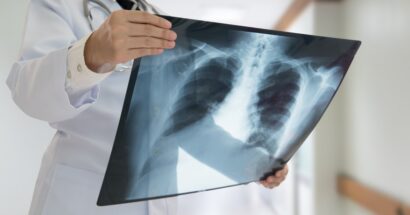
Can You Get Lung Cancer Without Smoking?
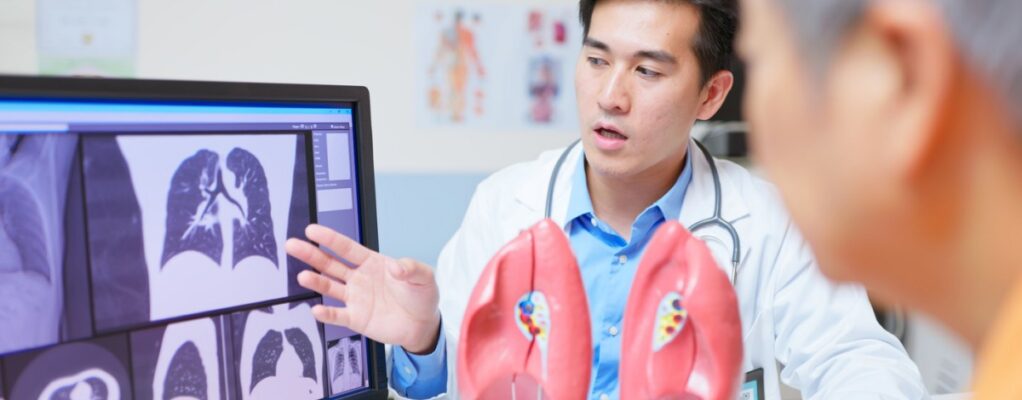
Many people associate lung cancer with using cigarettes or tobacco, but thousands of people with no history of smoking get sick each year. In these cases, it’s often due to environmental or occupational exposures, genetic factors, or other health conditions.
Exposure to substances like asbestos, secondhand smoke, radon gas, air pollution, and other toxic materials can damage lung tissue and significantly increase the risk of lung cancer — even in people who have never used tobacco.
In the United States, around 10% to 20% of lung cancer cases occur in people who have never smoked, per the Centers for Disease Control and Prevention (CDC). That’s roughly about 20,000 to 40,000 cases each year.
Understanding these risks is important as lung cancer in nonsmokers is more common than many people realize. Learn about the factors that can contribute to lung cancer without smoking and why certain exposures, including asbestos, are especially concerning.
Can You Have Lung Cancer Without Smoking?
Yes, it is possible to develop lung cancer even if you have never smoked. While smoking remains the leading cause, a significant portion of cases occur in people who have never used tobacco. One of the most well-documented risks for nonsmokers is exposure to asbestos.
Asbestos is a fiber-like material once used in thousands of different products. Once thought to be a safe way to help keep buildings and ships well-insulated, it’s now known to contribute to lung cancer and other serious illnesses.
Workers exposed to asbestos face 5 times higher lung cancer rates than the general population, according to Lung Cancer. Thousands of lung cancer deaths each year are linked to asbestos exposure alone.
Other causes of lung cancer in nonsmokers include:
- Air pollution, including fine particulate matter and diesel exhaust
- Genetic mutations or family history that increase the odds of lung cancer
- Radon gas, which has no odor or color and can pollute homes
- Secondhand smoke, causing thousands of lung cancer cases among nonsmokers yearly
- Silica dust, leading to serious lung damage and other illnesses like silicosis
Can you get small cell lung cancer without smoking? Yes, you could potentially develop small cell lung cancer (SCLC) or non-small cell lung cancer (NSCLC) even if you never smoked. Exposure to other carcinogens causes or contributes to NSCLC or SCLC.
Many of these causes are well-documented in medical research and public health data. For example, radon is considered the second leading cause of lung cancer in the United States, and workplace carcinogens like asbestos have been strongly linked to lung disease and cancer among exposed workers.
At Lung Cancer Group, we work to support families impacted by a diagnosis. Get our Free Lung Cancer Guide now to learn more about potential causes and how to get help.

- Understand risk factors
- Find top treatments
- Pursue compensation
Exposure to Toxins that Cause Lung Cancer Besides Smoke
Families may suffer chronic exposure to toxins like asbestos through workplaces, everyday environments, or even in their homes — often without knowing that they were being put at risk.
You could come in contact with carcinogens through:
- Community exposure: Living near industrial facilities or high-traffic areas may increase long-term exposure to harmful airborne pollutants like asbestos.
- Environmental exposure: Air pollution, including fine particulate matter from vehicles and industrial sources, has been linked to increased lung cancer risk.
- Exposure on the job: Workers in construction, manufacturing, shipyards, mining, and other industries may encounter carcinogens like asbestos, silica, or diesel exhaust.
- Household exposure: Radon gas can accumulate in homes and buildings without detection if testing is not performed.
- Secondhand exposure: Living or working around smokers or asbestos workers can expose nonsmokers to harmful chemicals.
Because these exposures can happen in different settings, people may not realize they are at risk until years later. For instance, asbestos lung cancer often develops 10-50 years after initial exposure, which is why understanding where these risks occur is an important step in prevention.
How Asbestos Causes Lung Cancer
When asbestos fibers are breathed in, they can get stuck in the body and cause long-term harm to lung tissues. This may eventually cause those exposed to develop lung cancer later in life.
Here’s how asbestos causes lung cancer:
- Someone works with asbestos and releases fibers unknowingly
- Asbestos fibers are released into the air and breathed in
- The fibers get trapped in the body and settle in the lung tissue
- The fibers cause long-term irritation and scarring within the lungs
- After decades, normal cells become cancerous
Smoking and asbestos amplify the damage that the other causes to the lungs through what’s called a synergistic effect. In fact, the European Respiratory Review found that smokers also exposed to asbestos had an almost 100-fold great risk of lung cancer.
How to Prevent Exposure to Other Lung Cancer Causes
In some cases, there is no way to lower your risk of developing lung cancer after being exposed to carcinogens like asbestos. As a result, avoiding these toxins altogether is crucial to minimizing your chances of getting lung cancer later on in life.
Here’s how you can avoid cancer-causing substances:
- Asbestos: While not fully banned, the use of asbestos is limited on most job sites. However, many older homes were built prior to the early 1980s. Consult an asbestos abatement specialist ahead of time if you’re working to repair homes that are from this time, as these could otherwise release fibers.
- Radon: Purchase a radon detector or require that your landlord or apartment company provide one. This can help monitor radon levels within your home.
- Secondhand smoke: Limit your exposure whenever possible and consider encouraging smokers in your life to quit.
Additionally, if there’s a history of cancer within your family, lung cancer screenings could be considered. These can help to catch lung cancer tumors in earlier stages, when they’re not causing as significant symptoms and are easier to treat.
Learn more about potential causes of lung cancer and how to get diagnosed and treated in our Free Lung Cancer Guide.
- Understand risk factors
- Find top treatments
- Pursue compensation
Get Compensation for Lung Cancer Not Caused by Smoking
Many diagnosed with lung cancer are quick to blame their smoking history, but don’t be fooled. Other factors such as exposure to asbestos or radon could have contributed. And, in cases where asbestos played a role, the diagnosis might not fully be your fault.
Manufacturers of asbestos-containing products hid the health risks for decades, putting millions of workers at risk of getting sick with lung cancer, mesothelioma, and other asbestos-related illnesses today.
At Lung Cancer Group, we can connect families affected by lung cancer with top attorneys across the United States at no cost.
The lung cancer lawyers we work with have:
- Billions of dollars in results
- Decades of experience
- Helped thousands of clients across all 50 states
Get a free case review now to learn more about your options. It costs nothing to find out if you may qualify for compensation.
 Written by:Lung Cancer Group
Lung Cancer Group was established by a team of caring advocates so those with lung cancer and other asbestos-related diseases can get the help they deserve. Our site provides the most accurate and up-to-date information about lung cancer, its link to asbestos, and financial compensation available to patients. Contact us to learn more and get assistance.