What Type of Cancer Causes Fluid in the Lungs?
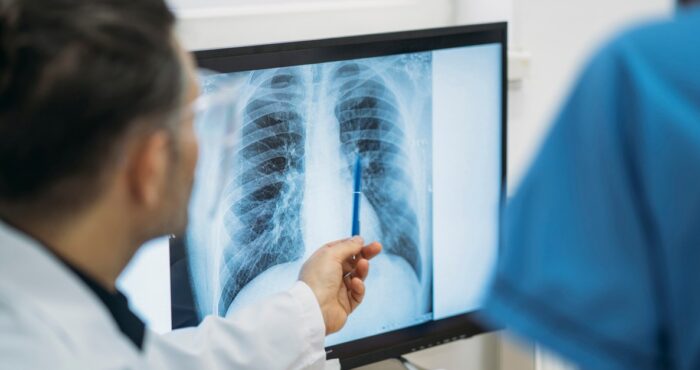
Many types of cancer cause fluid in the lungs, which is also known as pleural effusion. Some of the most notable cancers linked to lung fluid buildup are lung cancer and mesothelioma. We may be able to help if you or a loved one is diagnosed with either of these cancers after dealing with fluid in lungs.
Fluid in Lungs & Cancer Risk Explained
Pleural effusion, or fluid buildup in the lungs, can be caused by many different conditions, but it is very common in cases of cancer.
There is usually a little bit of fluid in between the two layers of the pleura, or lung lining. This fluid helps the lungs easily move when breathing in and out. However, when someone has cancer, this fluid can build up as a complication from tumors.
Many types of cancer can cause fluid buildup in the lungs:
- Lung cancer
- Mesothelioma
- Breast cancer
- Colorectal cancer
- Gastric (stomach) cancer
- Leukemia
- Lymphoma
- Ovarian cancer
Lung cancer is the most common cause of malignant pleural effusions, followed by breast cancer. Together, these two cancers account for roughly 50% to 65% of all cancer-related fluid buildup in the lungs, according to The American Journal of Medicine.
Additionally, pleural effusion is one of the earliest symptoms for many cases of mesothelioma. Both lung cancer and mesothelioma can be caused by asbestos, so those with a known history of exposure should be assessed if they have developed fluid in the lungs.
Get a Free Lung Cancer Guide to learn more about common symptoms like fluid on the lungs, treatment options, and how to afford care.

- Understand risk factors
- Find top treatments
- Pursue compensation

Does Lung Cancer Cause Fluid in the Lungs?
Yes, lung cancer can cause fluid buildup within the lungs, leading to difficulty breathing, chest tightness, and other uncomfortable symptoms.
Roughly 40% of patients with advanced lung cancer develop pleural effusions over the course of their illness, according to Respirology.
Causes of fluid in the lungs from lung cancer include:
- Cancer spread: As lung cancer grows, cancer cells can reach the lung lining. Lung cancer tumors that grow in the lung lining can lead to excess fluid buildup and prevent the body from draining it.
- Changes to blood vessels: Cancer cells release substances that allow blood vessels to widen, meaning more fluid can leak into the lung lining.
- Lymph node blockage: The lymph nodes play a key role in removing fluid from the pleural space. Lung cancer tumors can grow into nearby lymph nodes and prevent fluid from draining, causing it to build up.
- Obstruction of lungs: In some cases, lung cancer tumors can block the airways. This can cause the lung to partially collapse (atelectasis), which creates a pressure imbalance that pulls fluid into the pleural space on the affected side.
About 15% of non-small cell lung cancer (NSCLC) patients have pleural effusion at the time of diagnosis, per the European Clinical Respiratory Journal. Adenocarcinoma, a subtype of NSCLC, is often associated with malignant pleural effusions. Adenocarcinomas often develop near the outer edges of the lungs close to the lining.
If doctors find fluid buildup in the lungs, it means that the lung cancer has spread significantly. In fact, when patients have pleural effusions they’re usually given a stage 4 lung cancer diagnosis, according to the American Cancer Society (ACS).
While this can be overwhelming to hear, it’s important to know that treatments are available to manage pleural fluid and lung cancer. Your health care team can recommend options based on your unique situation.
Lung Cancer and Fluid Around the Heart
In some advanced cases, cancer can spread to the pericardium (heart lining), causing fluid buildup there called a pericardial effusion. Lung cancer is the most common cause of malignant pericardial effusions, accounting for 33% to 50% of cases according to Cureus.
For those with pericardial effusion, treatments include pericardiocentesis (draining the fluid with a needle) or creating a pericardial window (a small surgery to drain fluid).
In severe cases, the fluid can compress the heart and prevent it from working. This life-threatening condition is called cardiac tamponade and requires emergency treatment.
Mesothelioma and Fluid Buildup in the Lungs
Outside of lung cancer, many patients with mesothelioma also experience fluid buildup in the lungs. It’s very common among patients with pleural mesothelioma, in which tumors develop directly in the lining of the lung.
Up to 95% of pleural mesothelioma patients develop a pleural effusion at some point, according to the Journal of Clinical Oncology. In addition, pleural effusion is the first symptom of pleural mesothelioma in over 80% of cases, as noted by Pathology International.
However, because mesothelioma is very rare — with only around 3,000 new cases diagnosed per year — it’s easy for pleural effusions and other possible symptoms to be dismissed early on.
“Pleural mesothelioma often has a high symptom burden, and many patients present with fatigue, dyspnea and pleural effusions that may be initially attributed to other causes, delaying diagnosis of the underlying malignancy.”
– Translational Lung Cancer Research
If you or somebody you love was exposed to asbestos decades ago, and you’re now suffering from a pleural effusion or other symptoms, it’s important to consider seeing a cancer specialist.
These experienced doctors can run tests to help you know for sure if your pleural effusion stems from a cancer like mesothelioma or not.
Call (877) 446-5767 for help finding and affording treatments for mesothelioma, pleural effusions, and other asbestos-related diseases.
Can Fluid on the Lungs Be Cancer?
Having fluid in the lungs may or may not mean you have cancer. Many different health conditions can cause fluid to accumulate in the pleural space.
Common noncancerous causes of pleural effusions include:
- Autoimmune conditions such as lupus or rheumatoid arthritis
- Congestive heart failure
- Kidney disease
- Liver cirrhosis
- Pneumonia and other lung infections
- Pulmonary embolism (blood clot in the lung)
In some cases, those with other asbestos-related diseases like asbestosis or pleural plaques could also experience pleural effusions at the same time. Typically, non-cancerous asbestos diseases will not directly cause pleural plaques though.
Doctors can drain fluid in the lungs and test it to see if cancer cells are present. If cancer cells are found in the pleural fluid, it is called a malignant pleural effusion. This is more common in late-stage lung cancers and is often associated with a worse prognosis.
Treatments for Fluid in Lungs With Cancer
Doctors have several effective treatment options for pleural effusions. Many of the treatments center on draining the fluid buildup, allowing patients to breathe more easily and feel better.
Common treatments for fluid in the lungs caused by cancer include:
- Thoracentesis: A doctor inserts a thin needle into the chest to remove excess fluid. This procedure can provide quick relief from shortness of breath and is often the first step in both diagnosis and treatment.
- Indwelling pleural catheter (IPC): A small tube is placed in the chest that allows fluid to be drained at home on a regular basis. This is often recommended if fluid repeatedly builds up.
- Pleurodesis: A medical substance (often talc) is placed between the two layers of the pleural lining to seal them together. This prevents fluid from building up again in about 80% of patients, according to Cleveland Clinic.
- Video-assisted thoracoscopic surgery (VATS): In cases where other treatments have not worked, doctors may use a minimally invasive surgical procedure to drain fluid and treat the pleural space.
- Emerging treatments: Newer treatments like bevacizumab (a targeted therapy that limits blood vessel growth in tumors) have shown promise in controlling malignant pleural effusions in lung cancer patients. Talk to your doctor about the latest options available to you.
In addition to managing the fluid, your oncologist may recommend lung cancer treatments like chemotherapy, immunotherapy, targeted therapy, surgery, or radiation. If your lung cancer goes into remission or stabilizes after these treatments, you may not experience pleural effusions either.
Treating lung cancer and fluid in the lungs can be expensive, but we’re here to help. Get our Free Lung Cancer Guide to learn more about top treatment options and how to cover costs.
- Understand risk factors
- Find top treatments
- Pursue compensation
Cancer Fluid in Lungs: How Long to Live
Most patients are diagnosed with stage 4 lung cancer if fluid in the lungs is found, as doctors consider the cancer to have metastasized. Stage 4 the least favorable health outlook. Generally speaking, patients live for only 3 to 12 months after a malignant pleural effusion is diagnosed, according to The American Journal of Medicine.
With that said, the prognosis for lung cancer with pleural effusions is not set in stone and could change over the course of your treatment plan.
Factors that affect lung cancer life expectancy with fluid buildup include:
- Overall health: Patients with better overall health outside of having lung cancer often tolerate treatments more effectively and have improved outcomes.
- Response to treatment: Patients whose cancer responds to chemotherapy, immunotherapy, or targeted therapy tend to live longer than those whose cancer is treatment-resistant.
- Volume of fluid: Larger pleural effusions are associated with a poorer prognosis compared to smaller effusions.
Even when facing a difficult prognosis, it’s important not to lose hope. Treatments are improving and more are regularly being studied. Working with experienced lung cancer doctors can help you or your loved one live as comfortably and as long as possible.
Get Help for Lung Cancer and Fluid Around the Lungs
Knowing you have fluid in the lungs from lung cancer or mesothelioma can be concerning, but you don’t have to navigate a diagnosis alone. We’re ready to support you.
Lung Cancer Group is committed to helping cancer patients and their families access the medical care, emotional support, and financial resources they deserve.
Our team can:
- Connect you with top lung cancer doctors and treatment centers
- Pursue potential compensation if your cancer was caused by asbestos
- Recommend other support options for you and your family
Call (877) 446-5767 now or get a Free Lung Cancer Guide to see all of the ways we can assist you and your loved ones.
 Written by:Lung Cancer Group
Lung Cancer Group was established by a team of caring advocates so those with lung cancer and other asbestos-related diseases can get the help they deserve. Our site provides the most accurate and up-to-date information about lung cancer, its link to asbestos, and financial compensation available to patients. Contact us to learn more and get assistance.