Pleural Diseases
Pleural diseases affect the pleura, the lining of the lungs. Many pleural diseases are caused by exposure to asbestos, a carcinogenic (cancer-causing) fibrous mineral. Examples include pleural mesothelioma, pleural effusions, pleural plaques, and more. Learn more about pleural diseases and if you might be eligible for resources to help pay for treatment.
What Are Pleural Diseases?
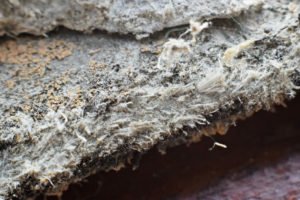
Asbestos is a highly durable mineral used in a wide range of products and industries. Unfortunately, the fibers are incredibly dangerous, and millions of people may be at risk of developing pleural diseases after being exposed.
The pleura has 2 layers, and in between them is a little bit of fluid to help the lungs easily move during breathing. However, pleural diseases often cause irritation, leading to lung function issues, pain, and other complications.
Notable asbestos-related pleural diseases include:
- Atelectasis: Collapsed lung that occurs due to scarring
- Diffuse pleural thickening: scarring of the lung lining that leads to breathing issues
- Empyema: Pus inside the lung lining
- Hemothorax: Bleeding within the lung lining
- Pleural effusion: Fluid buildup in the pleural space
- Pleural mesothelioma: Cancer of the lung lining
- Pleural plaques: Buildup of collagen inside the lung lining
- Pleurisy (pleuritis): Inflammation of the pleura that causes sharp pain when breathing
Asbestos-related pleural diseases can cause uncomfortable symptoms like shortness of breath and chest pain. Some, such as pleural mesothelioma, are very aggressive and can be fatal. Lung Cancer Group is here to help those facing pleural diseases.
From providing information about treatments to pursuing financial compensation for qualifying diagnoses, we’re ready to support you. Learn about your options with a free case review.
- Access Financial Aid and Justice
- Learn About Your Options
- Contact Us for Free

How Asbestos Leads to Pleural Diseases
When asbestos-containing products are disturbed, the microscopic fibers are released into the air. The fibers may then be breathed in or swallowed, allowing the toxic mineral to settle within the body.
The body cannot break down or remove these fibers. Instead, asbestos fibers can settle in the lung lining, causing irritation, inflammation, and eventually, pleural diseases.
Asbestos-related pleural diseases have a long latency period, taking 10-50 years to develop. Many people who were exposed decades ago may still be at risk of developing asbestos-related pleural diseases today.
Types of Asbestos-Related Pleural Diseases
There are several asbestos-related pleural diseases, including mesothelioma, pleural effusions, pleural plaques, and pleural thickening. Some patients may develop multiple asbestos-related pleural diseases at once.
Learn about common pleural diseases and their symptoms below.
Pleural Mesothelioma
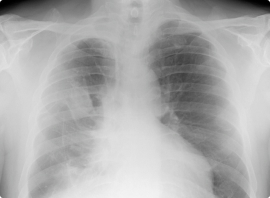 Malignant pleural mesothelioma is an aggressive cancer that affects the pleura. The only known cause of mesothelioma is asbestos — there are no other known causes to date.
When asbestos fibers get trapped in the pleura, they can damage healthy tissues and cells for decades, triggering pleural mesothelioma later in life. Most patients are diagnosed long after initial exposure and are typically of retirement age.
Signs and symptoms of pleural mesothelioma may include:
- Chest pain
- Fatigue
- Fever
- Persistent cough
- Shortness of breath
- Weight loss
Approximately 2,400 people are diagnosed with pleural mesothelioma each year. While the prognosis, or expected health outcome, is only around 12-21 months on average, some pleural mesothelioma patients can achieve long-term survival through treatment.
“Don’t let the cancer bog you down. Someday it might bog you down, but if you’re still moving, by God, keep moving.”
– Ernie, 7-year pleural mesothelioma survivor
Asbestos Pleural Plaques
Pleural plaques are benign (non-cancerous) buildups of a protein called collagen within the lung lining. Unlike pleural thickening, which is more widespread, they only form in small areas.
There are no pleural plaques symptoms, and they are harmless to human health. However, since the most common pleural plaques cause is asbestos exposure, you could be at risk of more serious malignancies like asbestos-related lung cancer or mesothelioma later on.
If you are experiencing symptoms such as chest pain or difficulty breathing, talk with your doctor as soon as possible. These symptoms along with the presence of pleural plaques could be signs of a more serious lung disease.
Atelectasis
Atelectasis is the medical term for a partial or complete lung collapse. A specific type, known as rounded atelectasis, is common among those with a history of asbestos exposure. Rounded atelectasis occurs when part of the lung gets trapped within the pleura.
Atelectasis typically happens when there’s not enough air flow or external pressure affecting the lung, according to Northwestern Medicine.
Asbestos exposure accounts for up to 86% of atelectasis cases, according to the Agency for Toxic Substances and Disease Registry. Many patients may not realize that their lung has partially collapsed, with many not experiencing significant symptoms.
Diffuse Pleural Thickening
Pleural thickening occurs when the lung lining becomes inflamed and scarred. This can lead to hardening and thickening of the lining. Like pleural plaques, it causes virtually no symptoms. The pleural thickening life expectancy is normal — it doesn’t impact long-term health.
However, it’s common among those suffering from more aggressive asbestos-related illnesses like pleural diseases and asbestosis, per the ATSDR.
Pleural Effusion
Pleural effusion is the buildup of excess fluid in the chest cavity. In many cases, this fluid buildup is an early symptom of pleural mesothelioma. In fact, up to 70% of pleural mesothelioma patients have asbestos pleural effusions, according to an Anticancer Research study.
Symptoms of a pleural effusion may include:
- Chest pain
- Difficulty breathing
- Dry cough
- Increased heart rate
There are a couple of subtypes of pleural effusions. These include empyema, the accumulation of pus in the pleural cavity that’s often associated with pneumonia, and hemothorax, bleeding within the lung lining.
Doctors can treat pleural effusions using different options to drain them. These include a needle drain called a thoracentesis or the insertion of a catheter, the latter of which can help if the effusions keep coming back.
Pleurisy
Also known as pleuritis, pleurisy occurs when the two pleura layers become inflamed. This causes the pleural space to close and the layers of the pleura to rub together, making breathing painful.
Symptoms of pleurisy include:
- Chest pain
- Cough
- Shortness of breath
Long-term pleurisy is a common cause of diffuse pleural thickening, according to a 2025 report from the medical journal Breathe.
Pneumothorax
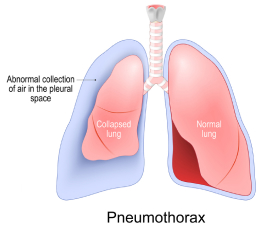 If lung tissue is damaged, it can be possible for air to build up in the pleural space. When too much air builds up, it can cause a partial or complete lung collapse known as pneumothorax.
Symptoms of pneumothorax may include:
- Difficulty breathing
- Sudden chest pain
Is atelectasis the same as pneumothorax? No, because the underlying issues that lead to the lung’s collapse are different, as noted by Northwestern Medicine. Pneumothorax is caused by too much air, while atelectasis is caused by impairment in the airways.
This condition ranges in severity. Some patients may be able to recover from a small partial lung collapse with rest. However, in some cases, a pneumothorax can lead to life-threatening complications involving pulmonary function.
Who Is At Risk of Pleural Diseases?
Anyone exposed to asbestos could develop pleural diseases later in life. This is because there is no safe amount of exposure to asbestos.
However, those who were exposed to asbestos in high amounts for long spans of time (months or years) are more likely to develop occupational lung diseases and pleural issues.
High-risk asbestos occupations include:
- Aircraft and vehicle repair
- Construction work
- Mining
- Shipbuiding
- U.S. military service
Secondhand exposure also puts loved ones at an increased risk of pleural diseases, even if they didn’t directly work with asbestos. Those living with people who worked in high-risk occupations may have been exposed to asbestos fibers carried home on uniforms, equipment, or skin.
If you suffered secondhand or occupational exposure to asbestos and later developed pleural diseases or cancer, you may be eligible for compensation to help pay for treatment and therapy.
Contact Lung Cancer Group at (877) 446-5767 to see how we can help you.
Diagnosing Asbestos-Related Pleural Diseases
Doctors may use a variety of diagnostic tests and screenings to spot various pleural diseases. The first step in many cases is to see a doctor and let them know about any symptoms you have, as well as any potential exposure to asbestos.
From there, doctors can recommend scans to look at your lungs for any possible abnormalities related to pleural diseases, including unusual fluid buildup and possible tumors.
Diagnostic tests for pleural diseases include:
- Chest X-rays: With a chest radiograph or X-ray, doctors can see inside the chest and lungs. This is usually the first imaging test used to look for problems in the chest cavity.
- Computed tomography (CT) scans: CT scans are more detailed than X-rays. These scans take cross-sectional and 3D images of bones, tissues, and organs.
- Magnetic resonance imaging (MRI) scans: MRIs are more involved than CT scans and use powerful radiofrequency waves, a computer, and magnets to create detailed images of tissues, blood vessels, and bones.
- Other tests: Blood tests and positron emission tomography (PET) scans may also be used to detect the presence of malignant pleural diseases.
If doctors suspect a patient has pleural mesothelioma tumors, they may order a biopsy to take a sample of fluid or tissue for review under a microscope. This is the only way to confirm a mesothelioma diagnosis.
Treatments for Pleural Diseases
Treatments for asbestos-related pleural diseases vary. Some, like pleural plaques, require no treatment, while others need aggressive options to help patients have the best possible health outcomes.
Learn about specific treatment options for the pleural disease you’re facing below.
Pleural Mesothelioma Treatment
Pleural mesothelioma patients can benefit from a variety of treatments to remove cancer tumors, kill cells, and relieve symptoms.
Common pleural mesothelioma treatments include:
- Extrapleural pneumonectomy (EPP) surgery to remove the lung closest to the cancer, the lung lining, and all visible tumors.
- Pleurectomy with decortication (P/D) surgery to take out the lung lining and tumors while sparing both lungs, allowing for faster recovery than an EPP.
- Chemotherapy to kill pleural mesothelioma cells.
- Immunotherapy medications that allow the immune system to more effectively fight cancer.
- Radiation therapy, in which high-energy X-rays are used to shrink cancer tumors and prevent them from growing.
Each mesothelioma patient’s treatment plan will be unique to their diagnosis, factoring in issues like stage, cell type, overall health, and more. Some pleural mesothelioma patients have lived for decades thanks to top treatment.
Working with specialized pleural mesothelioma doctors gives patients the best chance of receiving the most effective treatments and living longer.
“People need to know that there is help available and that they can get through this.”
– Sissy, 29-year pleural mesothelioma survivor
Pleural Effusion Treatment
The main way that doctors treat pleural effusions is by using different options to drain the fluid buildup.
Doctors can treat pleural effusions with the following:
- Catheters: Doctors may attach a catheter or chest tube to drain the excess fluid if a thoracentesis does not remove enough fluid.
- Pleurodesis: This procedure sticks the lung to the chest wall to eliminate the pleural space. As a result, fluid can no longer build up. Doctors may use a sclerosing agent (a type of drug that deliberately causes scarring) to seal the lung lining. According to Cleveland Clinic, this is 50% successful in preventing pleural effusions from coming back.
- Surgery: Doctors may perform video-assisted thoracoscopic surgery (VATS) and thoracotomy to treat pleural effusions that can’t be managed through pleurodesis or drainage.
- Thoracentesis: This involves putting a needle into the chest to remove fluid from the pleural cavity.
If pleural effusions are the symptom of a more serious health problem like mesothelioma, it is likely that they will come back and multiple drains will be needed.
Pleural Plaques Treatment
Pleural plaques do not usually require treatment, especially since they do not cause any serious symptoms or discomfort.
Doctors may suggest lifestyle changes to help keep the lungs strong. See a doctor if you start feeling worse after being diagnosed with pleural plaques.
Pleural Thickening Treatment
As with pleural plaques, pleural thickening usually does not require treatment, since it doesn’t cause severe symptoms.
Lifestyle changes like keeping active and stopping smoking are usually the most helpful options. Doctors may also recommend pulmonary rehabilitation to strengthen your lungs and increase your quality of life.
Pleurisy Treatment
Treatment for pleurisy may vary depending on what doctors believe is the underlying cause. If they think more serious conditions like mesothelioma or lung cancer may be causing the irritation, they may recommend treatments specific to those conditions.
However, if there are no other signs of malignant pleural diseases, doctors may recommend rest and medications to help ease the inflammation.
Atelectasis & Pneumothorax Treatments
The severity of the lung collapse affects which treatments will be recommended for patients experiencing atelectasis or pneumothorax.
In less severe cases, doctors will typically observe the lung through chest X-rays until the lung expands.
In more severe cases, treatment may include:
- Chest tube insertion or needle aspiration: Both chest tube insertion and needle aspiration focus on draining the excess air from the pleural space to allow the lung to re-expand.
- Nonsurgical repair: This treatment focuses on closing the air leak with either an irritative substance or by drawing blood and applying it to the lung to heal the leak.
- Surgery: In rare cases, surgery may be needed to seal the air leak and re-expand the lung.
Treatment for any type of pleural disease can be costly, but we may be able to help you pay for treatment. Get a free case review now to learn more.
- Access Financial Aid and Justice
- Learn About Your Options
- Contact Us for Free
Prognosis of Asbestos Pleural Diseases
The prognoses or expected outcomes for asbestos-related pleural conditions vary depending on the disease.
Some pleural diseases, like pleural plaques and pleural thickening, do not typically impact a patient’s life expectancy. Other pleural diseases, however, can be serious and even fatal.
Potentially fatal asbestos pleural diseases include:
- Pleural mesothelioma: The average pleural mesothelioma prognosis is generally poor. According to Penn Medicine, patients with the condition typically only live for 4 to 18 months after diagnosis, and the 5-year survival rate is just 10%. Surgery, chemotherapy, and other treatments can improve a patient’s prognosis.
- Pleural effusion: Because patients with pleural effusion often have fatal conditions too like lung cancer, the prognosis is generally poor. According to a study in The Journal of Pulmonary & Respiratory Medicine, about one-third of patients who were admitted to the hospital after a pleural effusion died within a year.
- Pneumothorax & atelectasis: If patients experience only a partial lung collapse, they may be able to recover without complications. However, in serious cases, some patients may die from a complete lung collapse.
Doctors can provide you with a unique prognosis specific to which illness you have and other personal health factors. They’ll also tailor treatments to give you the best chance of living longer.
Compensation for Asbestos-Related Pleural Diseases
Treatment for asbestos-related pleural diseases can be expensive, especially if you have recurrent disease.
Fortunately, you may be able to seek financial compensation for asbestos-related pleural diseases through asbestos trust fund claims, lawsuits, and U.S. Department of Veterans Affairs (VA) benefits.
Compensation for pleural diseases is available through:
- Asbestos lawsuits: These legal claims allow you to seek payouts from manufacturers of asbestos-containing products, which hid the health risks. Lawsuits involving mesothelioma pay out around $1 million or more.
- Asbestos trust fund claims: Asbestos trusts were created by bankrupt asbestos companies to compensate victims of asbestos diseases. There is an estimated $30 billion available in trust funds for asbestos victims.
- VA benefits: If you were exposed to asbestos during military service and developed a pleural disease, you may be eligible for VA benefits such as monthly disability payouts, health care services, and much more.
If you have an asbestos-related pleural disease, an experienced asbestos lawyer can help you determine which claims you’re eligible for, gather evidence to prove your case, and work to secure the highest payouts possible. Get started now with a free case review.
Get Help With Asbestos-Related Pleural Diseases
Knowing that you have a pleural disease from asbestos can be stressful, especially when it’s an aggressive one like mesothelioma. At Lung Cancer Group, we’re ready to support you and your family after a diagnosis.
Our team may be able to help you:
- Determine how asbestos caused your illness
- Learn more about potential treatment options
- Pursue financial compensation
- Receive much-needed support
Call (877) 446-5767 or get a free case review today to see how we can assist you.
Asbestos-Related Pleural Diseases FAQs
What causes pleural diseases?
Generally speaking, pleural diseases have a number of causes, such as infections, chest trauma, lung cancer, heart or liver disease, or pulmonary embolisms.
Asbestos exposure is one of the most notable causes of many pleural diseases. If asbestos fibers are breathed in, they can get stuck in the pleura, causing long-term irritation that triggers everything from pleural plaques to mesothelioma.
Can you cure pleural diseases?
No, you generally cannot cure asbestos-related pleural diseases, because the body cannot absorb or remove asbestos fibers once you’ve inhaled them.
However, treatments and lifestyle changes can help you cope with the effects of pleural diseases. You can treat almost all pleural diseases in some way.
Talk to your health care team to learn more about your treatment options.
Does mesothelioma cause pleural effusion?
Yes, mesothelioma can cause pleural effusions. An excess amount of fluid can build up in the lining of the lung as a side effect of the cancer, leading to symptoms like difficulty breathing and chest pain.
In fact, around 7 out of 10 pleural mesothelioma patients will experience pleural effusions, according to the medical journal Anticancer Research.
Call (877) 446-5767 for help if you or someone you love is facing pleural effusions and mesothelioma.
Is pleural thickening not caused by asbestos?
There are many possible causes of pleural thickening, ranging from infections, lung cancer, and pneumonia, according to a report from Respiratory Research.
With that said, pleural thickening is frequently caused by exposure to asbestos as long-term damage from the fibers causes scarring within the lung lining.
If your doctors find pleural thickening on imaging scans, make sure to tell them about any potential exposure to asbestos that you or someone you love experienced.
Is pleural thickening serious?
Pleural thickening is serious if you’ve ever been exposed to asbestos, as you could be at risk of more serious health problems like mesothelioma later in life.
Keep a close watch on your health if you have pleural thickening. Reporting any new or worsening symptoms to your doctor could potentially detect mesothelioma sooner, when it’s easier to treat.
What is the most common pleural disease?
The most common pleural disease caused by asbestos is pleural plaques, according to the ATSDR. If you have pleural plaques, they were likely caused by exposure to asbestos fibers decades ago.
Pleural plaques don’t cause harm, but you could be in danger of more asbestos-related diseases like lung cancer and mesothelioma too.
Is asbestos pleural plaques compensation available?
Yes, you may be able to get compensation for asbestos-related pleural plaques if you’re experiencing a more severe health issue at the same time, like mesothelioma.
Get a free case review for help if you’ve gotten a pleural disease from asbestos exposure.
What is a pleural disease in the lungs?
Pleural diseases affect the lung lining, not the lung themselves. However, asbestos-related pleural plaques and thickening are often seen in patients with illnesses that impact the lungs directly, including asbestosis and lung cancer.
Pulmonary diseases and pleural diseases are often serious, but treatments could allow patients to live longer and with a better quality of life.