Lung Cancer Statistics
Lung cancer is one of the most common cancers, with over 229,000 new diagnoses for 2026. While lung cancer is aggressive, some have lived for over 20 years with it. Below, explore more statistics about lung cancer and learn how we work to support patients.
Key Facts About Lung Cancer
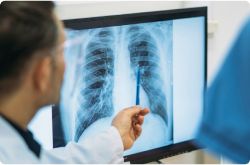
Lung cancer statistics help us understand the scope of this illness and what can be done to support those diagnosed.
Lung cancer is the second-most common cancer impacting men and women in the U.S., according to the American Cancer Society (ACS). Its overall prognosis is unfavorable, with less than a third of patients living for 5 years or more.
Still, with early detection and ever-advancing treatment options, more lung cancer patients are living longer and with a better quality of life.
Here are lung cancer statistics for 2026:
- Cigarette smoking is the leading lung cancer risk factor, according to the Centers for Disease Control and Prevention (CDC). Other notable causes include exposure to other toxins like radon or asbestos.
- The odds of someone developing lung cancer during their life are about 1 in 19, per the ACS.
- Exposure to asbestos contributes to an average of over 10,000 lung cancer deaths per year, according to the Environmental Working Group (EWG).
- Lung cancer legal claims can pay out $1 million or more.
- The overall 5-year lung cancer survival rate is 29.5%, according to the National Cancer Institute (NCI).
- Typical lung cancer symptoms include a cough, blood in mucus, chest pain, shortness of breath, and bouts of bronchitis or pneumonia. Symptoms usually appear only after the cancer spreads.
- Some lung cancer survivors have lived for 20+ years after initial diagnosis.
At Lung Cancer Group, we help lung cancer patients better understand their treatment and financial options after a diagnosis. Get our Free Lung Cancer Guide for more key lung cancer statistics and resources that may be able to help you.

- Understand risk factors
- Find top treatments
- Pursue compensation
Lung Cancer Statistics in the United States
Someone in the U.S. is diagnosed with lung cancer every 2 minutes, according to the American Lung Association (ALA).
There were over 661,000 people living with lung cancer in the U.S. as of 2023, according to NCI SEER data.
Here are key lung cancer statistics in America:
- The overall lung cancer incidence rate is 53.2 per 100,000 people, according to CA: A Cancer Journal for Clinicians.
- 361 Americans die from lung cancer every day, per the ALA.
- The overall number of Americans diagnosed with lung cancer has decreased by 13% over the past 5 years, according to the ALA.
- Lung cancer will account for 10.8% of all new cancer diagnoses in America, according to the NCI.
Roughly 229,410 people in the U.S. will be diagnosed with lung cancer, per the ACS. - Approximately 125,000 people will die from lung cancer, per CA: A Cancer Journal for Clinicians.
- Up to 1 in 5 people who will be diagnosed with lung cancer in the U.S. this year didn’t smoke, according to the Lung Cancer Research Foundation. Other factors, like radon, asbestos, and secondhand smoke, could play a role in these cases.
The number of newly diagnosed lung cancer patients is going down in the U.S. because more people are choosing to not smoke or quit, according to the ACS.
Lung Cancer Statistics by State
Lung cancer rates vary by state depending on factors like population and smoking cessation rates.
More densely populated states, like California, have higher numbers of cases and deaths. With that said, lung cancer rates by population tend to be higher in states with higher rates of smokers.
Here are key lung cancer statistics by state:
- Florida had the most reported lung cancer deaths out of any state for 2026, according to CA: A Cancer Journal for Clinicians. 9,990 deaths were reported.
- The other states with the highest numbers of lung cancer deaths were California (9,580), Texas (8,080), Pennsylvania (5,870), and New York (5,850).
- Alaska and Wyoming were projected to have the lowest number of lung cancer deaths, with just 210 fatalities each. Vermont, North Dakota, and South Dakota rounded out the top 5 states with the lowest projected lung cancer deaths. Each reported fewer than 400 expected deaths.
- Kentucky had the highest lung cancer incidence rate of any state, with 84.8 cases per 100,000 people.
- Utah had the lowest incidence rate for lung cancer, at 25.1 new cases for every 100,000.
Kentucky and Utah have consistently had the highest and lowest incidence rates of lung cancer, respectively, for over 5 years, per the ALA. - Rhode Island reported the best 5-year lung cancer survival rates at 37.6% according to the ALA. Alabama had the worst 5-year survival rate with 22.7%
- 36.9% of lung cancer patients in Nevada refused to get treatment, according to the ALA. Massachusetts had the lowest refusal rates at 13.2%.
No matter which state you live in, it’s important to understand that lung cancer doctors and treatments can potentially help you live longer and with a better quality of life.
Lung Cancer Statistics Worldwide
Lung cancer accounts for 20% of all cancer-related deaths across the globe, according to a PLoS One report.
In 2022, China had the highest number of lung cancer cases, with the U.S. ranking second. Japan, India, and Russia rounded out the top 5.
Here are more global lung cancer statistics:
- For 2022, nearly 2.5 million people were diagnosed with lung cancer worldwide, per the International Agency for Research on Cancer (IARC).
- The IARC also noted that over 1.8 million people passed away from lung cancer in 2022 alone.
- Roughly 7 in 10 lung cancer deaths worldwide can be traced back to smoking history, as noted by the ACS.
- In the European Union, lung cancer caused 4.4% of all deaths and 19.8% of cancer-related deaths during 2022 alone.
- 33% of Europeans who died from lung cancer were women, as noted by Translational Lung Cancer Research.
Lung cancer doctors across the world continue to study new treatments to improve patient outcomes, helping more to potentially live longer after a diagnosis.
Non-Small Cell Lung Cancer Statistics
Nearly 8 in 10 lung cancer cases are non-small cell lung cancer, according to the ACS. This type is generally easier to treat since it doesn’t spread as quickly.
In earlier stages, doctors are able to recommend treatments like surgery to destroy NSCLC tumors and potentially help patients have a better life expectancy.
Essential NSCLC lung cancer statistics include:
- For 2026, roughly 176,645 people in the U.S. will be diagnosed with NSCLC, per ACS data.
- The overall 5-year NSCLC survival rate is 32%, according to the ACS. Patients diagnosed in earlier stages have longer survival times, with 67% living for 5 years.
- The number one risk factor for NSCLC is smoking, according to Yale Medicine specialists.
- NSCLC subtypes include adenocarcinoma (making up 40% of NSCLC cases), squamous cell carcinoma (accounting for 25% to 30% of cases), and large cell carcinoma (making up 10% to 15% of cases). The latter two subtypes are harder to treat.
- 80% of NSCLC patients are diagnosed in later stages because early symptoms are mistaken for less serious illnesses, per Yale Medicine.
Doctors can use different treatments for NSCLC, including surgery, chemotherapy, radiation, targeted therapy, and immunotherapy, to give patients the best quality of life possible.
Call (877) 446-5767 now for help if you or someone you love was diagnosed with NSCLC. We can help you understand treatment options and explore financial resources to help you afford care.
Small Cell Lung Cancer Statistics
Small cell lung cancer (SCLC) is much more rare than NSCLC, making up only 13% of diagnoses. Small cell lung cancer is considered the most aggressive type of lung cancer by Yale Medicine and can spread quickly through the body.
Here are essential small cell lung cancer facts:
- There are around 30,000 new SCLC diagnoses in the U.S. per year, as noted by ACS data.
- Roughly 30% of cases are diagnosed in early stages before tumors have spread, according to the NCI.
- According to the latest small cell lung cancer survival statistics, only 9% of patients are still alive 5 years after a diagnosis. If diagnosed with localized cancer and treated, the 5-year SCLC survival rate reaches 34%.
- If patients don’t undergo treatment for SCLC, the average life expectancy is just 2 to 4 months, according to the NCI.
- Smoking tobacco causes 98% of all SCLC cases, according to Yale Medicine.
SCLC tends to respond more favorably to chemotherapy, immunotherapy, and radiation, with surgery rarely being used, as noted by Yale Medicine.
However, lung cancer recurrence (where the tumor comes back after treatment) is very common in SCLC. Up to 90% of SCLC patients experience a recurrence within 2 years after treatment, per Willamette Valley Cancer Institute and Research Center.
Lung Cancer Causes Statistics
There are many possible lung cancer causes, but far and away the most common is smoking. Smoking cigarettes is the main risk factor for developing lung cancer, according to the CDC.
Other common causes of lung cancer include exposure to secondhand smoke and other carcinogens (cancer-causing substances), like asbestos and radon.
Smoking and Lung Cancer Statistics
Roughly 90% of people who die from lung cancer were smokers. The more someone smokes, the higher the risk of developing lung cancer later on in life.
While smoking is on the decline in the U.S., with just 11% of the population using cigarettes as of 2023, hundreds of thousands of people are still being diagnosed with lung cancer as a result each year.
Here are other cigarette and lung cancer statistics:
- Cigarette smokers are up to 30 times more likely to develop lung cancer or pass away from it.
- Even occasional smoking leads to a higher risk of lung cancer, per the CDC.
- You’re at higher risk of getting lung cancer again if you’ve already had it and are still smoking.
- Generally speaking, smoking and poverty were some of the biggest causes of cancer-related deaths, per CA: A Cancer Journal for Clinicians.
- Smoking and secondhand smoke are expected to directly cause 182,830 lung cancer deaths in 2026 alone, per CA: A Cancer Journal for Clinicians.
When someone quits smoking, the odds of them developing lung cancer decrease, according to the CDC.
Secondhand Smoking and Lung Cancer Statistics
Even if you yourself didn’t smoke, you could still develop lung cancer from someone who did. Secondhand smoke exposure occurs among family members who lived with a smoker.
Secondhand smoke increases the odds of lung cancer by 25%, according to PLoS One.
Here are more statistics on secondhand smoke and lung cancer:
- No level of secondhand smoke exposure is considered safe, according to the ALA.
- There are two types of secondhand smoke: Mainstream smoke exhaled by a smoker, and sidestream smoke released from the burning end of tobacco products.
- Secondhand smoke leads to over 7,300 lung cancer fatalities per year, as noted by the NCI.
- Living with someone who smokes cigarettes increases your risk of lung cancer by up to 30%, per the Surgeon General and NCI.
Those who are smoking can get help quitting to not only protect themselves against lung cancer, but their families too.
Asbestos Lung Cancer Statistics
Asbestos is a fiber-like mineral that was once used in buildings, ships, construction products like insulation, and other materials between the 1930s and early 1980s.
If products containing asbestos were disturbed, they could release fibers into the air. Breathing those in may lead to lung cancer later in life.
Here are key asbestos and lung cancer statistics:
- Roughly 34,000 people die from lung cancer caused by asbestos-containing materials, according to the Asbestos Disease Awareness Organization (ADAO).
- Exposure to asbestos and cigarette smoke greatly increases the risk of lung cancer compared to just being exposed to one or the other. The odds of lung cancer rise by 100-fold in those exposed to both compared to nonsmokers.
- Asbestos lung cancer accounts for 87.3% of all asbestos-related disease deaths.
- Exposure to asbestos-containing materials is behind 27% of all lung cancer deaths annually.
Lung cancer is the most common asbestos-related lung cancer, according to Epidemiology. Another notable cancer, mesothelioma, develops independently of lung cancer if asbestos fibers get trapped in the linings of major organs.
Get our Free Lung Cancer Guide now to find out more about how asbestos can contribute to a lung cancer diagnosis and resources to support your family.
- Understand risk factors
- Find top treatments
- Pursue compensation
Lung Cancer Radon Exposure Statistics
Radon is a colorless, odorless gas that seeps into homes from the ground, water, soil, or rocks. Long-term exposure to radon can lead to lung cancer.
Radon is the second-biggest cause of lung cancer behind smoking, according to the Lung Cancer Research Foundation.
Here are notable radon gas and lung cancer statistics:
- Unless there is a working radon detector, it’s almost impossible to know if there’s radon in your home.
- Radon increases the risk of lung cancer among smokers as well as nonsmokers, per the CDC.
- Roughly 21,000 people die from lung cancer caused by radon annually, according to the Environmental Protection Agency (EPA). 2,900 of these deaths occur in nonsmokers.
- Smokers exposed to radon have a 10-fold greater risk of lung cancer compared to nonsmokers.
Testing your home with help from professionals can protect you and your family from the serious risks that radon poses.
Lung Cancer Gender Statistics
It’s more common for women to be newly diagnosed with lung cancer than men. For 2026, over 118,000 women will be diagnosed compared to around 111,000 men, per the ACS.
The rate of lung cancer is also dropping more slowly for women than men, as noted by the ACS. Lung cancer rates in men have been steadily falling for several decades, but for women, the rate has only started to come down within the last 10 years.
Female Lung Cancer Statistics
Across the world, more than 600,000 women die from lung cancer every year, according to the Lung Cancer Research Foundation.
Additionally, the rates of women being diagnosed with lung cancer have increased by nearly 85% over the past 40 years, according to O’Neal Cancer Center.
Essential statistics about lung cancer in women include:
- Smoking causes 84% of lung cancer cases in women, according to CA: A Cancer Journal for Clinicians.
- Lung cancer incidence in women hit its peak in 1988 and has dropped by 16% since that time, per the ALA.
- Latina women have the generally lowest lung cancer rates of any gender and race, according to the ALA.
- 1 in 19 women will be diagnosed with lung cancer at some point in their lives, per the Lung Cancer Research Foundation.
- Women who don’t smoke are more than 2 times as likely to develop lung cancer compared to nonsmoking men.
- Cooking fuel emissions could be responsible for up to 20% of all lung cancer deaths among women, according to the Union for International Cancer Control.
Women with a history of smoking or exposure to other potential causes should consider discussing their lung cancer risk with their doctor to get a better idea of prevention steps.
Male Lung Cancer Statistics
Men have generally higher lung cancer incidence and death rates compared to women, according to the CDC.
In fact, men are 23% more likely to be diagnosed with lung cancer than women, according to the ALA.
Here are statistics about lung cancer cases in men:
- Men account for 48.3% of lung cancer diagnoses, according to data from the ACS.
- Roughly 87% of lung cancer cases in men are linked back to cigarette smoking, per CA: A Cancer Journal for Clinicians.
- The lung cancer incidence rate among men is 53.8 per 100,000. The mortality rate is 34.0, per CDC data.
- Lung cancer incidence among men peaked in 1984, but has since dropped by 42% per the ALA.
- Worldwide, lung cancer was responsible for 14.3% of all cancer diagnoses in men, as noted by the ACS.
If you or someone in your life is facing lung cancer, we’re ready to help you navigate the next steps. Contact us now to speak with our patient advocates about resources to assist your family.
Lung Cancer & Age Statistics
Generally speaking, most lung cancer patients are older adults. According to the NCI’s SEER Data, the average age of a lung cancer patient is 71 years old.
Just 2% of patients are diagnosed before the age of 50, according to CA: A Cancer Journal for Clinicians.
Explore more lung cancer statistics by age through the chart below.
| Age at lung cancer diagnosis | Percentage of diagnoses | Percentage of lung cancer deaths |
|---|---|---|
| Under 20 | No data | No data |
| 20-34 | 0.2% | 0.1% |
| 35-44 | 0.9% | 0.6% |
| 45-54 | 4.4% | 3.4% |
| 55-64 | 20.8% | 18.3% |
| 65-74 | 36.4% | 33.8% |
| 75-84 | 28.4% | 30.9% |
| 84 and higher | 9% | 12.9% |
The average age of lung cancer patients at the time of their deaths is 73, per the NCI. Still, long-term survival may be possible even for older patients, depending on how they respond to treatment, their overall health, and other factors.
Lung Cancer Statistics by Race
Lung cancer can affect people of any race. However, several studies have shown disparities in lung cancer diagnoses depending on patients’ races.
Here are essential lung cancer statistics by race:
- Native Americans have the highest lung cancer rates at 63 per 100,000 people, according to CA: A Cancer Journal for Clinicians.
- Hispanic or Latino populations reported the lowest lung cancer incidence rates at just 28.3 cases for every 100,000 people.
- Native Americans also had the highest lung cancer mortality rates, with 38.7 deaths per 100,000 people. White Americans had the second-highest death rates at 34.5 per 100,000.
- There’s a 12% greater risk of Black men getting lung cancer than white men, according to the ACS.
- Survival rates are lower among Black and Native American lung cancer patients compared to white populations.
Non-white people are at a greater risk of worse health outcomes after a lung cancer diagnosis, per the ALA. For example, there are lower odds of getting an early diagnosis or receiving key treatments like surgery. More work must be done to ensure everyone gets high-quality care for lung cancer.
Lung Cancer Treatment Statistics
Doctors can use a variety of treatments for lung cancer with the goal of removing, shrinking, or destroying tumors.
The most common lung cancer treatments are surgery, chemotherapy, immunotherapy, targeted therapy, and radiation. Doctors often recommend using several treatments together to destroy as much of the cancer as possible.
Key lung cancer treatment statistics include:
- Lung cancer surgery was used in 20.7% of cases nationally, according to the ALA. Different types of surgery are used to remove tumors along with all or part of a lung. It’s typically recommended for early-stage patients.
- Lung cancer chemotherapy was used to treat roughly 62% of patients with stage 3 or 4 NSCLC, according to the NCI. Chemotherapy drugs circulate through the body to destroy lung cancer tumors.
- Lung cancer radiation uses beams of energy to shrink the size of tumors. 32% of all NSCLC patients received radiation, according to the Journal of Cancer. This was nearly double the number of patients who underwent surgery.
- Immunotherapy for lung cancer helps the body find and destroy lung cancer cells. In a Journal of Clinical Oncology report, advanced-stage NSCLC patients had a 5-year survival rate of 24% with this treatment.
- Targeted lung cancer therapy allows doctors to destroy cancer with less harm to healthy cells and tissues. Patients who received this treatment lived nearly twice as long compared to those who received chemotherapy, according to Cancer Control.
- Lung cancer clinical trials test new and possibly better treatment methods. In a Lung Cancer Management study, the most common treatments in trials were radiation at 26%, surgery at 22%, and targeted therapy at 17%. More than half of all lung cancer trials take place in the United States.
However, 21% of lung cancer patients chose not to undergo any treatment, per the ALA. Not getting treated can allow the cancer to spread unchecked and significantly worsen patient health outcomes.
Factors like age, poor overall health, and lower socioeconomic background all affect why someone may choose to not get treated.
Lung Cancer Prognosis Statistics
A lung cancer prognosis measures the projected amount of time someone has to live following a diagnosis. Prognosis for lung cancer is measured using two figures: life expectancy and survival rate.
Here are key lung cancer survival statistics:
- Generally speaking, the prognosis for lung cancer is less than favorable, with patients living for under 2 years on average. However, it can vary significantly by cancer type, stage, patient health, and other factors.
- Lung cancer screening measures can help potentially diagnose people in earlier stages, where a prognosis is generally better. However, only 18.2% of at-risk people get lung cancer screenings, per the ALA.
- In some situations, patients have lived for 20+ years after a lung cancer diagnosis, even in advanced stages. These patients are considered lung cancer survivors.
- If lung cancer goes into remission (where signs and symptoms disappear or lessen), a prognosis can potentially improve.
Thanks to factors like treatment advancements, lung cancer survival times have made some of the most notable improvements out of any cancer, per CA: A Cancer Journal for Clinicians.
Get our Free Lung Cancer Guide to explore treatments that could help potentially improve your lung cancer prognosis and options to more easily afford care.
- Understand risk factors
- Find top treatments
- Pursue compensation
Lung Cancer Survival Rate Statistics
Survival rate measures the number of patients who are still living after a set period of time. It’s typically expressed as a percentage.
The overall 5-year lung cancer survival rate is currently 29.5%, as noted by NCI SEER data.
Here are more lung cancer survival rate statistics:
- The 5-year survival rate for NSCLC is 32%, according to the ACS. Subtypes like adenocarcinoma are more aggressive, with the 5-year survival rate being just 12%.
- The 5-year SCLC survival rate sits at just 9%, accounting for the more aggressive nature of this type.
- Lung cancer survival rates are higher for lower stages, since it’s often easier for doctors to remove or destroy all visible tumors. The 5-year survival rate for stage 1 cancer is 64.7%, and the 5-year survival rate for stage 4 is 9.7%
- Men had a 5-year lung cancer survival rate of 13% according to the Journal of Preventative Medicine & Public Health.
- The average 5-year lung cancer survival rate in women was 29%, more than double the survival rate in men.
- 5-year lung cancer survival rates by treatment include surgery at 65%, chemotherapy at 14%, immunotherapy at 24%, and radiation at 45%, according to a Journal of Oncology report.
Lung cancer survival rates are averages, but each person’s cancer journey is unique. It may be possible to outlive the typical survival rate depending on how your lung cancer responds to treatment.
Lung Cancer Life Expectancy Statistics
Life expectancy is the amount of time a lung cancer patient is expected to live with their diagnosis. Average lung cancer life expectancies range from 7 to 16 months.
Here are more lung cancer life expectancy figures:
- The average lung cancer life expectancy for men is 12 months, per the Journal of Preventative Medicine & Health. For women, it’s 16 months.
- The general life expectancy for NSCLC is 11 to 13 months, according to the U.S. National Library of Medicine.
- SCLC has a life expectancy ranging from 7 to 16 months.
- Getting treatment is often key to improving life expectancy. NSCLC patients who didn’t get treatment lived for 7.15 months on average, per Systematic Reviews. Untreated SCLC patients survived for only 2 to 4 months, according to Breathe.
Many factors that are unique to your situation, such as your overall health, which stage your cancer is in, and what treatments your doctors recommend, can greatly influence your specific lung cancer life expectancy.
Lung Cancer Mortality Statistics
Lung cancer is the biggest cause of cancer-related death in the U.S., according to the ACS. In fact, 20% of all cancer deaths will be attributed to lung cancer in 2026, per NCI SEER data.
Lung cancer causes twice the amount of deaths compared to other cancers, per CA: A Cancer Journal for Clinicians.
More lung cancer death statistics include:
- Roughly 124,990 people will die from lung cancer in 2026, as noted by the ACS.
- Slightly more men than women are expected to pass away from lung cancer.
- In 1992, the United States’ lung cancer death rate sat at 58.9 per 100,000. Between 2020 and 2024, that rate had been cut nearly in half, sitting at 30.2 per 100,000 according to NCI SEER Data.
- Kentucky had the highest lung cancer mortality rate, with 50.2 deaths per 100,000 people. Utah reported the lowest at 15.5 fatalities per 100,000.
- More than 50% of people diagnosed with lung cancer pass away within 1 year, according to Mount Sinai.
- Getting an annual lung cancer screening can reduce the odds of dying from lung cancer by up to 20%, according to the ALA. Screenings may help catch cancer before it spreads.
Lung cancer mortality rates are decreasing thanks to factors like a general decrease in smoking and improvements in treatment, per the ACS. Screenings for those at risk can also help bring down mortality rates.
Lung Cancer Stage Statistics
Doctors use stages to note how far lung cancer has spread through the body at the time of a diagnosis. Generally speaking, there are 4 lung cancer stages, and higher stages mean more cancer.
Lower stages are associated with a more favorable prognosis since they’re easier to treat. With that said, it’s possible to become a long-term survivor with any stage of lung cancer depending on how your tumor responds to specific treatments.
Explore key statistics for lung cancer stages below.
Stage 1 Lung Cancer Statistics
Roughly 25% of lung cancer patients were diagnosed with localized, or stage 1 cancer, as noted by the CDC.
Stage 1 lung cancer means that the tumors have not spread outside of the lungs. The tumors are also fairly small, meaning they’re easy to completely remove or destroy using options like surgery.
Here are stage 1 lung cancer statistics:
- The 5-year survival for stage 1 lung cancer is 60.6%, per the CDC.
- The stage 1 NSCLC recurrence rate is 5% to 19%, according to the Willamette Valley Cancer Institute and Research Center.
- Rates of diagnosing lung cancer in earlier stages have increased by 10% over the last 5 years, per the ALA.
- 35.5% of lung cancer patients in Rhode Island are diagnosed with early-stage lung cancer, as noted by the ALA.
- Patients may have very mild symptoms like a cough, but many are asymptomatic.
In some situations, stage 1 lung cancer patients who get treated never have the cancer return, allowing them to live full lives following a diagnosis.
Stage 2 Lung Cancer Statistics
Stage 2 lung cancer has started to spread into nearby tissues. It has not reached lymph nodes, but could be deeper in the lungs or in a main airway, per City of Hope.
Key stage 2 lung cancer statistics include:
- The recurrence rate for stage 2 NSCLC is 11% to 27%.
- Like in stage 1, many patients don’t have symptoms. Those that do report a cough, shortness of breath, and chest pain among issues.
- 22% of nonsmokers with lung cancer were diagnosed with stage 2, according to a 2023 study.
- Stage 1 and stage 2 lung cancer incidence rates are projected to increase as at-risk populations get older and screening tools are more widely used, according to ERS Publications.
Surgery is often recommended for patients in this stage since it will allow doctors to remove all visible tumors. Other treatments like chemotherapy and radiation could be used too.
Stage 3 Lung Cancer Statistics
Stage 3 lung cancer is locally advanced, spreading deeper through the body and potentially reaching nearby lymph nodes. Many patients start to experience symptoms at this stage.
Surgery may or may not be possible for stage 3 lung cancer depending on tumor spread, but doctors can still recommend options to help patients live longer.
Here are notable stage 3 lung cancer facts:
- Stage 3 NSCLC recurrence rates range from 24% to 40%.
- Stage 3 lung cancer patients who don’t get treated only live for 6 months on average, per Cancer Therapy Advisor.
- Just 2% of nonsmokers were diagnosed with stage 3 lung cancer in a 2023 study.
- In the landmark PACIFIC study, 42.9% of stage 3 NSCLC patients were still alive when treated with an immunotherapy called durvalumab (Imfinzi®) and chemotherapy, compared to just 33.4% in those only treated with chemotherapy.
Even though stage 3 lung cancer has spread, long-term survivorship may still be possible. Jim, a U.S. veteran, was diagnosed with stage 3 asbestos-related lung cancer in 2005.
At the time, stage 3 lung cancer had a 5-year survival rate of less than 2%. However, after multiple treatments, he became cancer-free and is still alive today.
“I was supposed to be dead. There have been a lot of, ‘I’ll be dead before this,’ or ‘I’ll be dead before that happens,’ but I just keep living.”
– Jim, stage 3 lung cancer survivor
Stage 4 Lung Cancer Statistics
Stage 4 lung cancer is the most advanced stage. By this point, lung tumors have metastasized to distant organs or body parts, including the brain, liver, or bones.
Nearly 50% of all lung cancer patients are diagnosed in stage 4, according to the CDC. Surgery is usually not recommended in this stage, but patients can pursue other treatments to live longer.
More lung cancer stage 4 statistics include:
- The stage 4 lung cancer survival rate has increased significantly over the last 30 years. In the mid-1990s, the 5-year survival rate for metastatic lung cancer was just 2%. Today, it’s sitting around 10%, per CA: A Cancer Journal for Clinicians.
- Patients with late-stage SCLC live for 6 to 12 months with treatment, according to the NCI.
- The stage 4 lung cancer life expectancy without treatment is only 2 months, according to Cancer Therapy Advisor.
- The 5-year survival rate for stage 4 lung cancer ranges from 10% to 21%, as noted by Cancer Therapy Advisor.
- 25% to 30% of patients who have stage 4 NSCLC pass away within 3 months of diagnosis, as noted by Frontiers in Oncology.
Even though many stage 4 patients don’t achieve long-term survival due to cancer metastasis, some have lived for decades.
For example, Wells was given 10 months to live following a stage 4 diagnosis but survived for over 25 years thanks to multiple treatments.
Lung Cancer Costs & Compensation Statistics
Getting care for lung cancer can be expensive, costing hundreds of thousands of dollars. Even with insurance, you may face significant costs related to diagnosing and treating lung cancer.
Fortunately, you and your family may be eligible for lung cancer compensation to ease the financial burden. Compensation options include lung cancer lawsuits, trust fund claims, and benefits offered by the U.S. Department of Veterans Affairs (VA).
Here are statistics about lung cancer costs and financial compensation:
- In one example from the ACS, the medical expenses of a lung cancer diagnosis exceeded $140,000, with patients still responsible for thousands in out-of-pocket fees.
- Six months’ worth of immunotherapy treatments for lung cancer cost over $140,000 according to Clinical Therapeutics. Systemic treatments like chemotherapy for the same time period were around half the cost at $75,000.
- Many lung cancer lawsuits pay out over $1 million. Almost all lawsuits reach settlements, saving you the hassle of an in-court trial.
- Asbestos trust funds contain over $30 billion total. You can pursue payouts from the funds if asbestos-containing materials contributed to your lung cancer diagnosis.
- The VA offers financial benefits to veterans with lung cancer, mesothelioma, or other service diseases. Key lung cancer VA benefits include $4,158.17 a month and free or low-cost medical care.
At Lung Cancer Group, we’ve partnered with experienced lung cancer attorneys who can work to secure compensation at no upfront cost to your family.
The lawyers in our network have recovered over $5.9 billion for those impacted by asbestos-related lung cancer and mesothelioma.
“If you or a loved one is now facing lung cancer after being exposed to asbestos decades ago, it’s not your fault. Asbestos lawyers can fight to recover payouts for medical bills, travel expenses, in-home care, and other costs.”
– Ricky LeBlanc, asbestos cancer attorney
Get a free case review now to find out if you’re eligible for lung cancer compensation with our team’s help.
- Access Financial Aid and Justice
- Learn About Your Options
- Contact Us for Free

Behind the Numbers: Support for Lung Cancer Patients and Families
Lung cancer statistics help patients and families better understand what to expect after a diagnosis, how effective key treatments are, and ways they can more easily afford care.
At Lung Cancer Group, we know that behind every number is a real person looking for support when facing lung cancer.
We’re ready to help patients and families:
- Better understand their diagnosis
- Learn about top lung cancer treatments
- Pursue compensation for lung cancer
- Get the support needed during this time
Get our Free Lung Cancer Guide or call (877) 446-5767 now for help navigating a lung cancer diagnosis. Our dedicated patient advocates and legal support staff are here to support you.
Lung Cancer Statistics 2026 FAQs
What is the cause of 90% of cases of lung cancer?
Smoking cigarettes causes nearly 90% of lung cancer cases, according to a study from the American Cancer Society. Cigarettes also cause 84% of lung cancer cases in women and 87% of diagnoses in men.
Additionally, cigarette smoke is responsible for 90% of lung cancer fatalities, according to the American Lung Association (ALA). Cigarette smoke contains nearly 70 carcinogens, or cancer-causing substances.
What are some interesting facts about lung cancer?
Here are 5 interesting lung cancer facts:
- It’s the second-most common cancer in the U.S.
- It accounts for 20% of all cancer deaths, the highest of any cancer.
- Smoking is the most common cause, accounting for more than 80% of cases.
- Asbestos exposure can also cause lung cancer and worsens the risk in smokers.
- The average life expectancy for lung cancer is 7-16 months.
Statistics for lung cancer can be overwhelming, but it’s important to know that you could potentially live a long time with the right treatments.
Call (877) 446-5767 for help if you’ve been diagnosed with lung cancer. You may be eligible for compensation to cover treatment costs.
Can you live a normal life with lung cancer?
It may be possible to live a normal life with lung cancer, but it depends on factors like your stage at the time of diagnosis, which treatments you receive, and how the cancer responds to medical intervention.
For example, stage 1 lung cancer has a relatively low recurrence rate ranging from 5% to 19%, and many patients are considered cancer-free after surgery. Early-stage patients have a better chance of living as normal a life as possible.
Late-stage lung cancer patients can also live a long time in some cases, but may need more extensive treatments that impact their quality of life (such as a pneumonectomy, in which an entire lung is removed).
Is lung cancer painful?
Lung cancer may or may not be painful. Early-stage patients typically have little to no symptoms, according to City of Hope.
As the cancer reaches later stages and spreads to other organs, it can cause more significant symptoms like difficulty breathing and coughing up blood.
Currently, nearly 70% of national lung cancer screening programs diagnose patients in later stages, often when they’re already having symptoms. Catching lung cancer earlier, before symptoms start, is crucial to helping patients live longer and with as little discomfort as possible.
Can you live 30 years after lung cancer?
While it’s rare, it is possible to live around 30 years after a lung cancer diagnosis. For instance, Wells was diagnosed with stage 4 lung cancer and lived for 26 years thanks to treatments.
Given just 10 months to live initially when diagnosed at the age of 65, he lived to be 91 years old.
Call (877) 446-5767 now to find out more about lung cancer treatments that may help you survive lung cancer and how to afford them.
What is the percent chance of getting lung cancer?
According to the ACS, men have a 16% chance of developing lung cancer and women have a 17% chance. These numbers include cases of lung cancer among smokers as well as non-smokers.
If you smoked and/or were exposed to cancer-causing materials like asbestos, you’re at a higher risk.
What is the incidence of lung cancer?
Lung cancer incidence rates remain high in the U.S., as it’s the second-most common type of cancer impacting both men and women.
Lung cancer rates by year hover around 220,000 to 240,000 new diagnoses, with slightly more women than men being diagnosed.
What are the odds of surviving lung cancer?
The average 5-year lung cancer survival rate is 26.6%, as noted by the ALA. This means just over 1 in 4 lung cancer patients are still living 5 years after their diagnosis.
Long-term lung cancer survival rates are low, but it still may be possible for you to outlive them. Factors like your treatments, age, and cancer stage all play a role in lung cancer survival.
Contact us now to find out if you can seek compensation to afford treatments for lung cancer.