Railroad Workers, Asbestos Exposure, and Lung Cancer
For most of the 20th century, railroad workers risked exposure to asbestos, a cancer-causing material. Decades after the fact, many former railroad workers developed asbestos-related lung cancer and other diseases. We can help railroad workers affected by lung cancer understand treatment options and pursue compensation.
About Railroad Workers Asbestos Exposure Risks
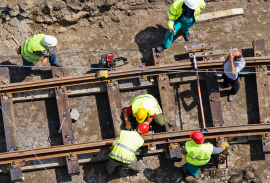 For decades, railroads used a toxic substance called asbestos in train components like engines, brake pads, and more. Railroads also helped ship raw asbestos around the country.
At the time, the public thought asbestos was a safe material for resisting high heat insulating equipment. Railroad workers had no idea that asbestos could cause serious health problems like lung cancer 10-50 years after initial exposure.
Railroad Workers Asbestos Exposure and Lung Cancer Quick Facts
- Brakemen, machinists, pipefitters, and shop workers were among the most at risk due to their proximity to asbestos-laden equipment and engines.
- Common asbestos-related illnesses that affect railroad workers include mesothelioma, lung cancer, and asbestosis.
- Older rail yards all over the country may still have asbestos intact, putting workers at risk even today.
- Compensation sometimes worth $1 million may be available to railroad workers with asbestos-related illnesses like cancer.
A lung cancer diagnosis can be devastating, but we’re here to support former railroad workers and their families.
Get a free case review now for help if you or a loved one developed lung cancer after working in the railroad industry.
- Access Financial Aid and Justice
- Learn About Your Options
- Contact Us for Free

How Were Railroad Workers Exposed to Asbestos?
Many railroad workers were put at risk of asbestos exposure on a daily basis because so many components used to build trains and keep them running relied on this toxic material.
Besides the trains themselves, buildings at rail yards also contained significant amounts of asbestos. This is because asbestos was seen as an ideal construction component before the risks were fully known.
Asbestos-containing products used on trains and rail yards included:
- Boilers
- Brake pads
- Cement
- Engine linings
- Gaskets
- Insulation
- Paint
- Pipes
- Plaster
- Railroad ties
- Sealant
- Wallboards
Additionally, railroads transported containers of raw asbestos across the country to hundreds of plants and factories.
All of these activities meant that railroad workers could have breathed in asbestos-contaminated dust and air, putting them at risk of lung cancer and mesothelioma later in life.
Railroad Workers & Asbestos Exposure: High-Risk Jobs
Anyone working in rail yards risked exposure to asbestos-containing materials. With that said, some jobs within the railroad industry meant that daily exposure to this toxic material was likely.
High-risk roles included:
- Brakemen: Exposed during brake inspections and repairs
- Firefighters: Risked exposure when rail cars and buildings caught fire
- Machinists: Handled asbestos-insulated diesel engines and brake parts
- Pipefitters: Worked with asbestos-wrapped pipes, boilers, and more
- Shop workers: Disturbed asbestos materials during repairs
However, railroad workers didn’t fully understand the risks of asbestos. This is because companies that made and sold asbestos-containing materials for use in railroads failed to disclose the dangers to protect their profit margins.
Call (877) 446-5767 right now for help if you or someone you love developed lung cancer and served as a railroad worker decades ago.
Modern-Day Railroad Workers Asbestos Exposure Risks
While asbestos is no longer used to make products used by railroads today, and stricter safety measures are in place, there is still a chance of exposure. This is because older trains and rail yards may still contain asbestos-containing materials.
Without proper precautions, railroad workers could suffer exposure to asbestos even today and get sick with lung cancer or mesothelioma decades later.
In November 2025, The Vermont Journal reported on ongoing asbestos remediation efforts at the Bellows Falls Train Station. Contractors have been called in to remove asbestos from the station’s buildings and clean up the polluted site.
Secondhand Asbestos Exposure & Railroad Lung Cancer Risks
The families of railroad workers also ran a high risk of getting sick later in life. This is because those working in railroads could come home covered in dust that was laced with toxic asbestos fibers, leading to secondary exposure.
For instance, Burlene Jones developed mesothelioma decades after secondhand exposure from her husband’s time in the railroad industry.
“My father worked there for a year. He would unload boxcars of raw asbestos and would bring it home on his clothing.”
– Cheryl Jones, daughter of mesothelioma patient Burlene Jones
Illnesses Stemming From Railroad Workers Asbestos Exposure
Railroad workers exposed to asbestos could go on to develop serious health issues later in life. Asbestos can trigger several types of cancer and other life-threatening illnesses, typically 10-50 years after initial exposure.
Notable asbestos-related diseases include:
- Lung cancer: Railroad workers could develop lung cancer if asbestos fibers got trapped in their lungs. The fibers cause long-term irritation that can cause cancerous tumors to form. The risk is greater among railroad workers who smoked.
- Mesothelioma: This is a cancer that affects the lining of major body parts, most notably the lungs. It’s very aggressive and can lead to death in many cases. The only known cause is asbestos exposure.
- Lung diseases: Former railroad workers may suffer from bronchitis, asbestosis, COPD, and other lung-related ailments due to asbestos exposure.
- Other cancers: Asbestos can contribute to bladder cancer, laryngeal cancer, lymphoma, kidney cancer, and other malignancies.
Railroad workers should stay on top of their health as they age, particularly if they worked prior to the early 1980s in this industry. For instance, they can ask for lung cancer screenings from their doctors to check for signs of cancer before symptoms appear.
Compensation for Railroad Workers Exposed to Asbestos
Under the Federal Employers Liability Act (FELA), railroad workers may be entitled to legal payouts if their cancer diagnosis resulted from occupational exposure to asbestos.
If you or someone you love has been exposed to asbestos and later developed lung cancer, you may be eligible forcompensation. This money can help cover medical expenses and hold manufacturers of asbestos-containing products accountable.
Lung cancer compensation options include:
- Railroad lawsuits for lung cancer: These allow railroad workers with lung cancer to pursue financial payouts from the companies that made and sold the asbestos materials they were exposed to. While each case is different, some lung cancer claims have awarded over $1 million.
- Trust fund claims: Workers can pursue compensation without filing a lawsuit. There is over $30 billion available across dozens of asbestos trust funds right now.
- VA benefits: If a rail yard worker served in the military at any point, they may be eligible for benefits offered by the U.S. Department of Veterans Affairs (VA). Key VA benefits include monthly compensation worth over $4,000 and free or inexpensive medical care from military hospitals.
- Wrongful death lawsuits: If a railroad worker passed away from lung cancer, their family may be eligible to file a wrongful death suit to seek compensation. Past wrongful death claims have paid out $1 million or more in select cases.
We have experienced lung cancer attorneys in our network who may be able to help you file different types of compensation claims and pursue the highest payouts possible.
Get a free case review to find out your eligibility for lung cancer payouts.
- Access Financial Aid and Justice
- Learn About Your Options
- Contact Us for Free
Find Support for Railroad Workers With Lung Cancer
Railroad workers never deserved to be put at risk of serious health issues like lung cancer simply from doing their job. However, because asbestos was so commonly used in the railroad industry, many former employees have gotten sick later in life.
At Lung Cancer Group, we stand ready to support rail yard workers and families impacted by a devastating lung cancer diagnosis.
Our team may be able to help you:
- Better understand essential lung cancer treatments
- Determine which types of compensation you may qualify for
- Get the support you need during this difficult time
Get our Free Lung Cancer Guide now or call (877) 446-5767 to see all the ways we’re able to assist families like yours.
Railroad Workers Asbestos Exposure FAQs
Are railroad workers exposed to asbestos?
Yes, railroad workers risked exposure to asbestos-containing materials, particularly between the 1930s and early 1980s.
Engines, cement, gaskets, wallboard, brake pads, and many other products were used on trains and rail yard buildings. Repairing, demolishing, and maintaining rail cars and buildings could release asbestos fibers into the air that workers breathed in every day.
In addition, trains often transported raw asbestos throughout the country, so railroad workers who handled it were put in danger of exposure.
How toxic are railroad ties to humans?
Yes, railroad ties could be considered toxic to humans if they contain harmful materials like asbestos. Handling or disturbing these ties could release asbestos fibers into the air, and breathing it in could contribute to lung cancer or mesothelioma later in life.
Prior to the early 1980s, many railroad workers didn’t realize that rail yard ties and other components contained asbestos. They had to use these products every single day, and in the present, many workers are now getting sick with lung cancer.
Contact us now for help if you or someone you love got sick from working around railroad ties or other asbestos-containing components in rail yards.
How can I find top railroad worker asbestos exposure lawyers?
At Lung Cancer Group, we have experienced attorneys who can help you file lawsuits to seek compensation, if eligible.
Railroad lawsuits for lung cancer sometimes pay out over $1 million. Our railroad lung cancer lawyers can handle the work of a lawsuit on your behalf and will fight for the strongest payouts.
Call (877) 446-5767 for help finding lawyers and law firms who can pursue meaningful railroad settlements for lung cancer on your behalf. Our legal partners offer free consultations, so there’s no risk.
What toxins were railroad workers exposed to?
Railroad workers could have been exposed to a wide range of toxic materials while on the job, contributing to significant health issues later in life.
Toxic exposures railroad workers faced included:
- Asbestos
- Benzene
- Creosote
- Diesel fumes and emissions
- Silica dust
- Solvents
Asbestos is one of the most dangerous carcinogens that railroad workers faced. According to the Occupational Safety and Health Administration (OSHA), there is no safe level of asbestos exposure. Railroad employees who were exposed faced an increased risk of lung cancer, mesothelioma, asbestosis, and other serious health issues later in life.